
A consistent care routine is one of the simplest ways to learn how to make upholstery last longer. Vacuum fabric sofas and chairs weekly to remove dirt before it wears against the fibres, and arrange a professional or deep clean at least once a year for high-traffic pieces. When spills happen, blot them promptly with a clean, dry cloth rather than rubbing.
It’s easy to focus on stains only after they appear, but everyday dust, repeated pressure and sunlight can gradually affect a sofa’s appearance and feel. A few steady habits can help preserve both.
This guide explains how often to clean fabric upholstery, how to rotate and fluff cushions, and which conditions can affect durability. You’ll also find practical first steps for spills and stains, plus ways to reduce fading and uneven wear at home. The right approach depends on the fabric, so start with its care instructions and use gentle methods suited to the material.
Key Takeaways
- Vacuum fabric upholstery weekly, and plan a deep clean at least once a year for heavily used sofas and chairs.
- Rotate cushions regularly and gently fluff them to help limit uneven wear and loss of shape.
- Reduce fading by keeping upholstery out of direct sunlight, and protect fabric from harsh chemical products.
- Blot spills promptly with a clean, dry cloth; rubbing or soaking can make the damage worse.
1. How often should I clean my fabric-upholstered furniture?
To understand how to make upholstery last longer, vacuum fabric sofas and chairs once a week. Use an upholstery attachment and reach seams and creases, where dust and grit collect. For high-traffic furniture, arrange a professional or deep clean at least once a year. These regular steps remove debris before it abrades the fibres during everyday use.
Choose a cleaning method suited to the fabric. Follow its care label, and test an unfamiliar cleaner on a hidden area first. For Aquaclean-treated fabrics, follow the manufacturer’s care instructions rather than assuming every stain treatment is suitable. If a spill occurs, blot it with a clean, dry cloth. For residue, gently dab with a little warm water and mild soap, without rubbing or soaking.
Leather needs different care: vacuum it with a very soft brush attachment or wipe it with a slightly damp cloth. Dry damp leather promptly. Before using a fabric protector, find out whether the upholstery is pre-treated, since protectors should not be applied to pre-treated fabrics. For untreated upholstery, choose a protector suited to its material; upholstery protector spray needs annual application.
Choose fabric with household use in mind. A busy family sofa and a formal sitting-room chair face different levels of wear, so select upholstery suited to your routine. Matching the fabric to its use and care needs is another practical way to make upholstery last longer.
Persistent sagging, exposed filling, torn fabric or loose seams can signal that furniture needs repair or reupholstery, not just cleaning. In UAE homes, keep upholstery away from direct sunlight where possible to help prevent fading. High humidity can contribute to mould, so ventilate rooms and address dampness around furniture.
2. Rotating and fluffing cushions to reduce uneven wear
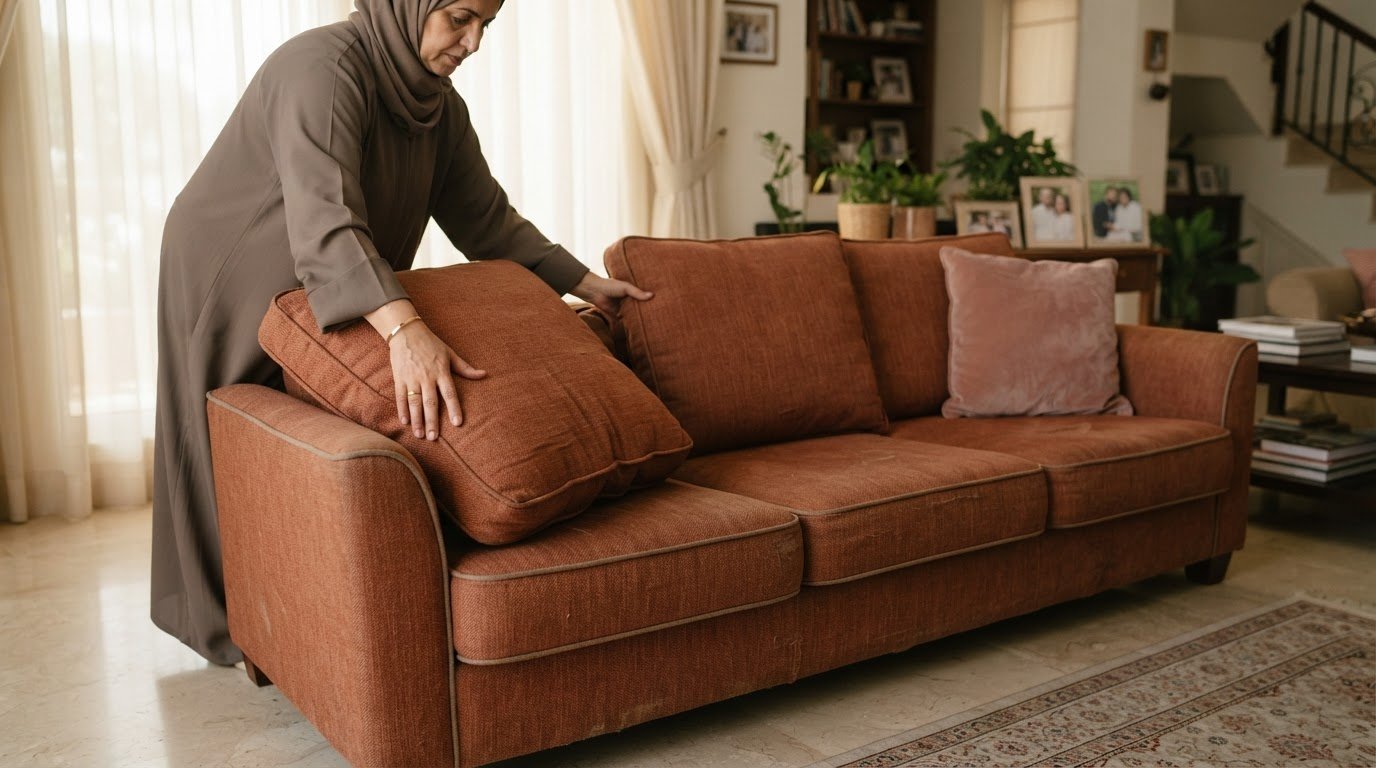
Seat cushions compress where people sit most, while back cushions can flatten against the same points. Rotate seat and back cushions weekly to distribute pressure across their surfaces. If a cushion is reversible, flip it every one to two weeks, provided its fabric and construction allow both sides to be used.
Use a simple routine: remove each cushion, switch it with a similar-sized cushion, then turn it over if appropriate. Don’t force a rotation when cushions have a shaped profile, distinct front and back, or fitted attachments. Keep each cushion in its original place if its size or shape differs.
Fluff cushions by patting their sides and gently redistributing the filling towards the corners. For polydown cushions, a vigorous shake a few times a week can help restore loft, especially with frequent use. Regularly check seams and zippers as you reshape them; stop if the cover pulls or a seam begins to open.
Frame and filling quality also influence how well a sofa retains its support. A strong internal frame and high-density foam cushions are important for lasting comfort. If one seat sinks more than the others, compare its cushion with the rest, then check whether the frame feels loose or uneven. Rotation can spread ordinary wear, but it won’t correct damaged support.
Dust and grit trapped beneath cushions can abrade fabric during daily movement. During weekly cleaning, lift cushions and vacuum the seat deck with an upholstery attachment. Apply the same routine to chairs, especially their seat edges and creases. If sagging or worn upholstery persists despite careful rotation, Sofa and Chair Upholstery may suit furniture that needs renewed covering or support.
3. What Affects Upholstery Durability?
Sunlight and daily use can change upholstery even when furniture is cleaned regularly. Direct sunlight can fade fabric, while leather exposed to sunlight can dry out and crack. Place furniture away from bright windows where possible, or use curtains and blinds to reduce exposure. In the UAE, strong daylight near windows makes furniture placement worth considering.
Chemical products can leave lasting marks on fabric. Paint and nail polish remover may cause fading, discolouration or stains, so keep them away from upholstered furniture. Don’t use upholstery as a surface for household products, even briefly. If a chemical spill happens, avoid rubbing it into the fibres, which can spread the mark.
Furniture placement and use affect where pressure and friction build up. A sofa beside a busy walkway may receive repeated contact, while a favourite seat absorbs more weight and movement. Leave space around furniture to reduce accidental knocks, and keep hot items off the upholstery. Use a tray or coaster on a nearby table instead.
Pets and children can mean claw marks, crumbs, pulled threads and frequent spills. Choose fabric suited to your household’s activity, keep sharp toys and pet claws away from upholstery, and use a washable throw on a favourite seat. Regularly remove crumbs and loose debris before they get ground into the fabric.
UAE homes also need to account for indoor humidity, since high humidity can contribute to mould in fabric upholstery. Keep rooms ventilated and address damp areas rather than letting moisture linger around sofas or chairs. Fabric furniture typically lasts 7–10 years, depending on fabric and usage. Selecting upholstery for its expected use, then controlling sunlight, chemicals and moisture, helps limit avoidable wear.
4. Removing spills and stains promptly
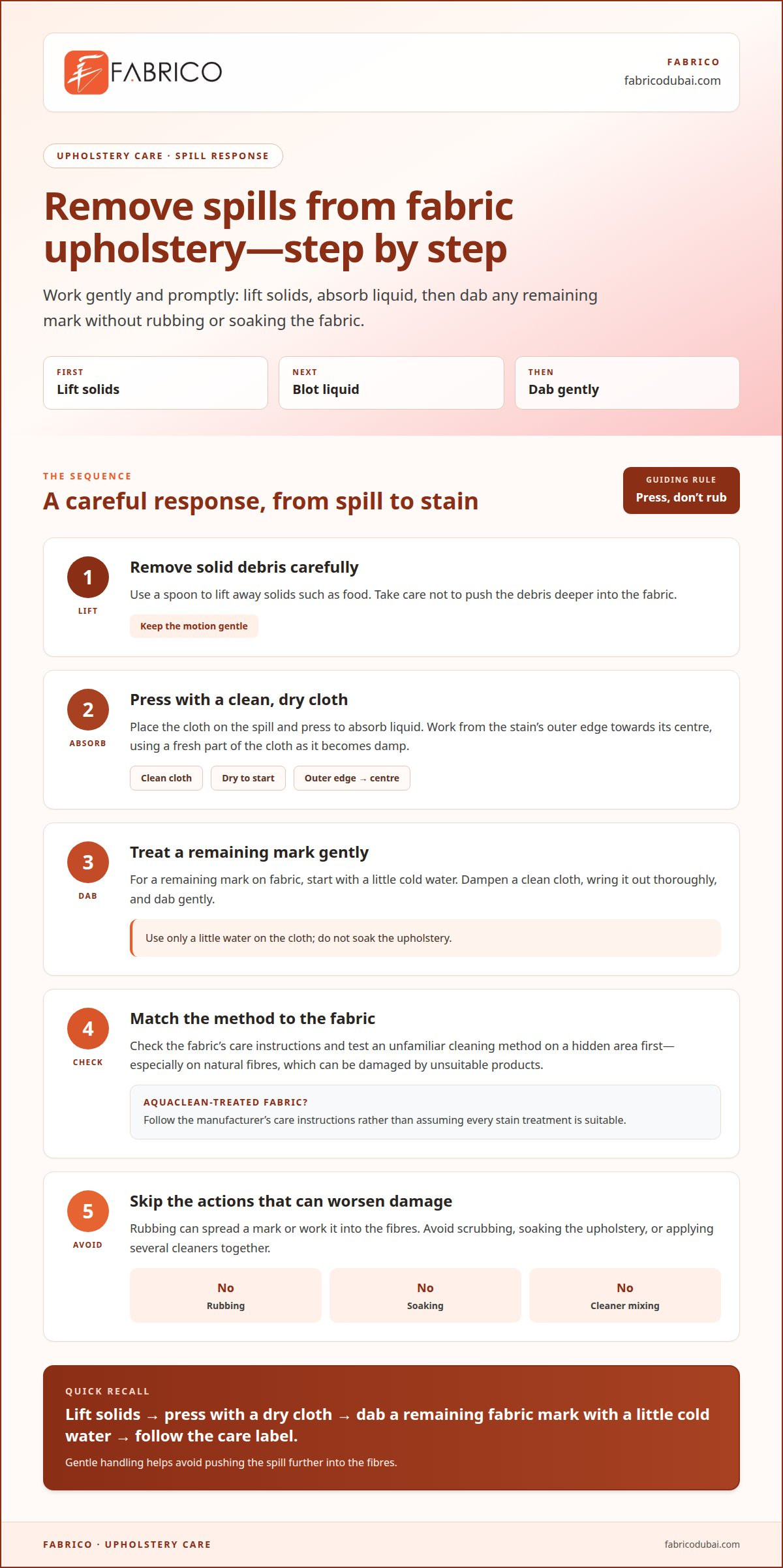
Act promptly when a drink, sauce or other spill reaches upholstery. Lift away solid debris with a spoon, taking care not to push it into the fabric. Then press a clean, dry cloth onto the affected area to absorb liquid. Work from the stain’s outer edge towards its centre, using a fresh part of the cloth as it becomes damp.
For a remaining mark on fabric, a little cold water is a sensible starting point. Dampen a clean cloth, wring it out thoroughly, and dab gently. Avoid scrubbing, soaking the upholstery or applying several cleaners together. Test any cleaning method on a hidden area first, especially on natural fibres, which can be damaged by unsuitable products.
Do not put a spilled cushion cover into a washing machine. Agitation and pressure can push a stain deeper into the fibres or smudge it across the fabric. If the cover has care instructions, follow them before trying further treatment. Never apply a hot iron directly to a stain, since heat can make some marks harder to remove.
Leather needs a separate approach. Wipe the spill with a clean, damp cloth, then dry the surface immediately. Wring the cloth thoroughly to avoid excess moisture. Avoid using a fabric stain remover on leather, since the material and finish need compatible care. Follow the cleaner’s instructions and use only a suitable product.
Once the upholstery is clean and dry, a stain/water repellent treatment can add a protective step suited to fabric care. It doesn’t replace prompt spill removal or the material’s cleaning instructions. For help protecting upholstery against future spills, explore stain and water repellent treatment.
Fabrico: Sofa and Chair Upholstery
Fabrico provides Sofa and Chair Upholstery to renew a covering or refresh the appearance of your furniture. If fabric is worn, stained, faded or no longer suits your room, reupholstery can give a valued sofa or chair a new finish while retaining its existing form. It’s a practical next step when regular cleaning and careful cushion rotation no longer address visible wear.
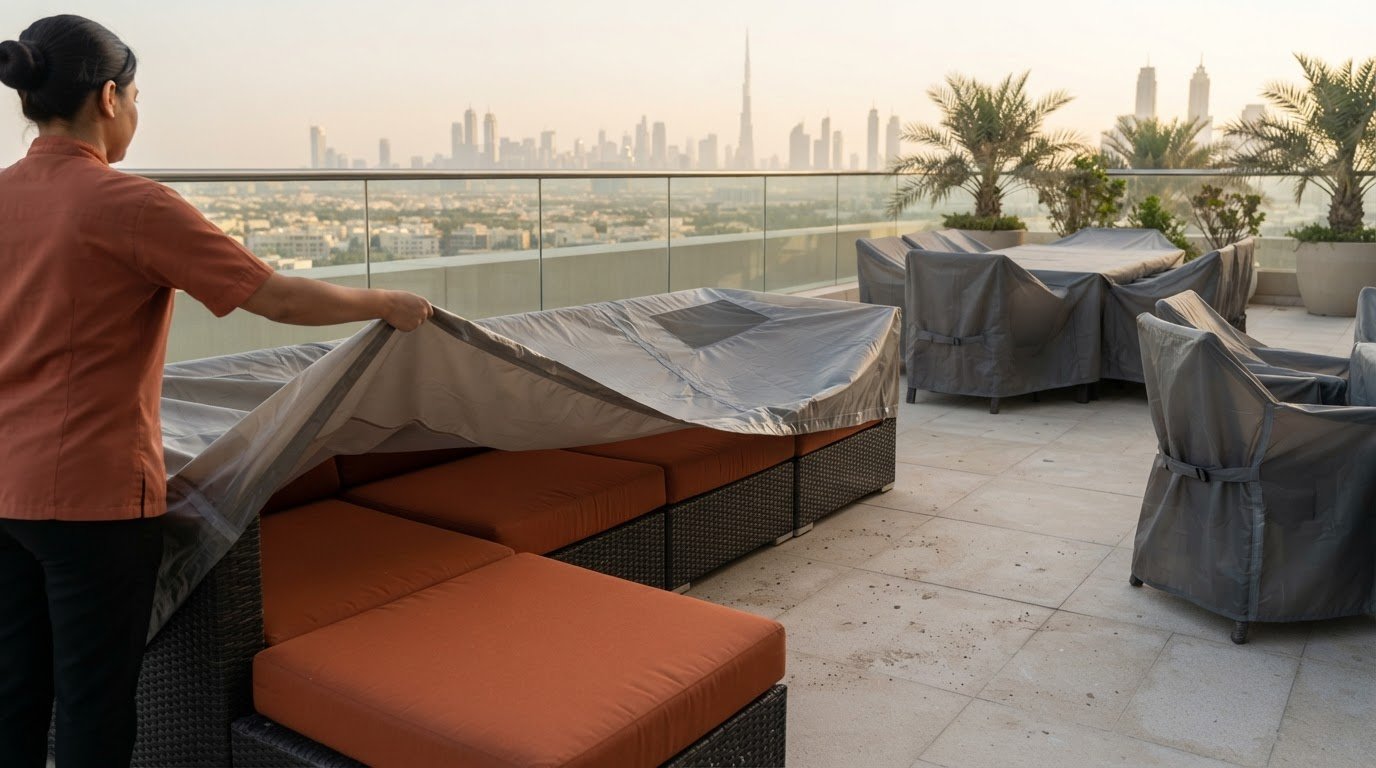
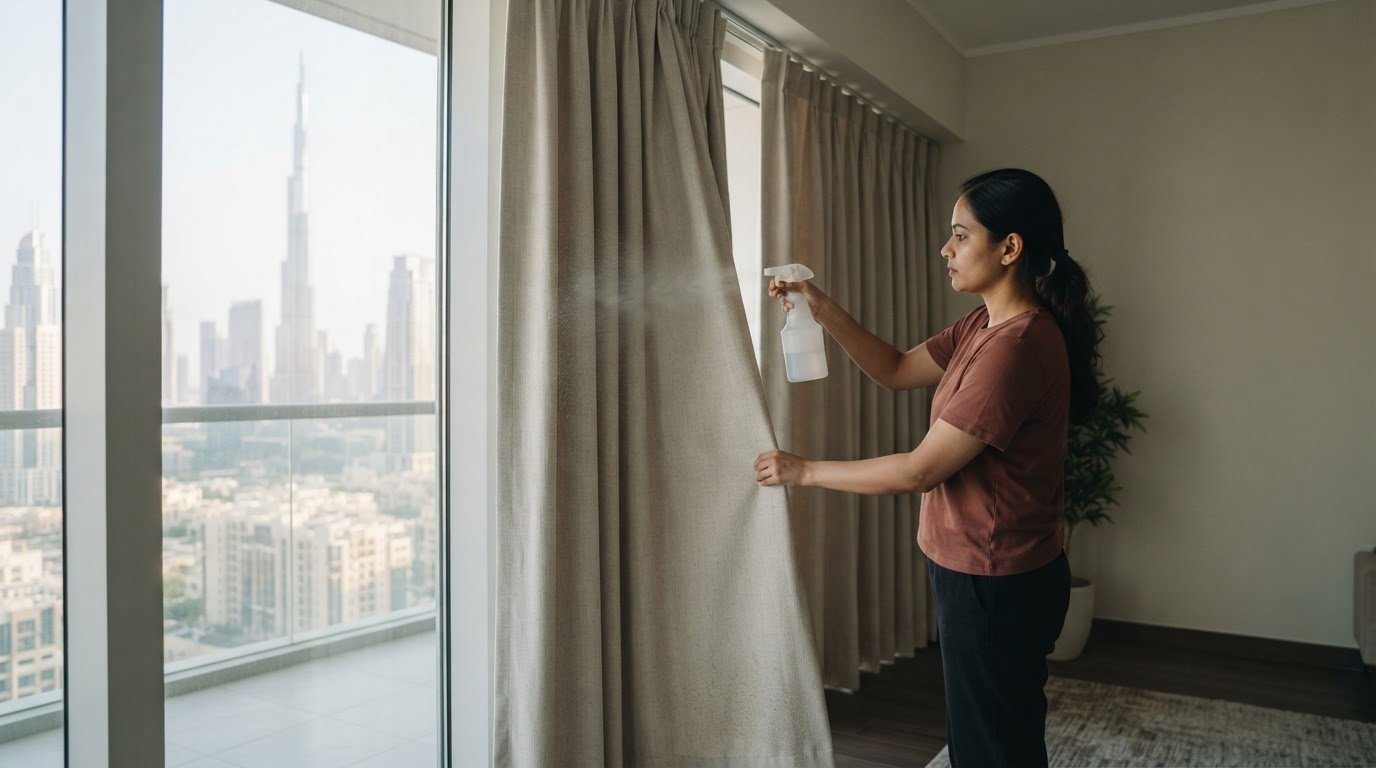
For ongoing protection, consider how your space affects upholstery. Pleated American curtains and Roman blinds can help manage direct sunlight indoors, while Outdoor Protection Covers shield outdoor furniture from exposure. Choose an approach that suits where your furniture sits and how you use it.
Contact Fabrico for Sofa and Chair Upholstery to refresh your furniture.
Give Your Furniture a Thoughtful Next Chapter
Knowing how to make upholstery last longer can also help you decide what a well-used piece needs next. Some furniture remains part of a room because its shape, comfort or personal value still feels right, even as its fabric begins to look tired. In that case, refreshing the upholstery can be a considered alternative to letting the piece lose its place in your home.
Fabrico offers Sofa and Chair Upholstery, alongside Pleated American curtains and Roman blinds for coordinated window treatments. Each serves a different purpose, from renewing a much-loved seat to shaping the light and finish of a room. Choose the next step that suits your furniture and the way you use your space.
For a considered conversation about your sofa or chairs, contact Fabrico about upholstery care. A small, well-chosen update can help your living space feel cared for and ready to enjoy.
Frequently Asked Questions
How often should I clean my fabric-upholstered furniture?
Vacuum fabric upholstery weekly, and arrange a professional or deep clean at least once a year for high-traffic sofas and chairs. For routine care, use the upholstery attachment and work along seams, piping and creases where dust gathers. Follow the care label before using a liquid cleaner, since the right method varies with fabric construction and finish.
Can I use standard household cleaners on my upholstery?
Use a household cleaner only if its label confirms it is suitable for your upholstery material. A product made for hard surfaces may affect fabric colour or finish, while an unsuitable method can damage natural fibres. Test a small amount on a hidden area, then let it dry before assessing the result. Avoid mixing cleaners or applying them directly to the furniture.
How can I protect my fabric furniture from sun and fading?
Reduce direct sunlight by adjusting furniture placement or drawing curtains and blinds during the brightest periods. In Dubai homes, consider how a sofa near a window may expose one side more than another. Pleated American curtains or Roman blinds can help manage incoming light. Where practical, adjust the room’s layout to prevent one area from receiving constant exposure.
What affects upholstery durability?
Upholstery durability depends on the fabric, construction, frequency of use and conditions around the furniture. A heavily used family sofa experiences more pressure and friction than a rarely used chair. Sunlight can fade fabric or dry leather, while high humidity can contribute to mould on fabric. A strong frame and supportive cushions also affect lasting comfort.
What are general maintenance tips to keep fabric furniture looking good?
Build a simple routine around weekly vacuuming, cushion care and prompt attention to marks. Check seams and cushion covers as you tidy, and remove crumbs before they become embedded. Keep sharp objects and household chemicals away from upholstery, and use a throw on a frequently used seat if helpful. Choose care methods that match the fabric label.
What should I do if a spill happens on my fabric furniture?
Lift away solid pieces, then press a clean, dry cloth onto the spill to absorb liquid. Work gently from the edge towards the centre, and switch to a clean section of cloth as needed. If a mark remains, dab with a well-wrung cloth and a little cold water. Don’t scrub, soak the fabric or machine-wash a cushion cover.