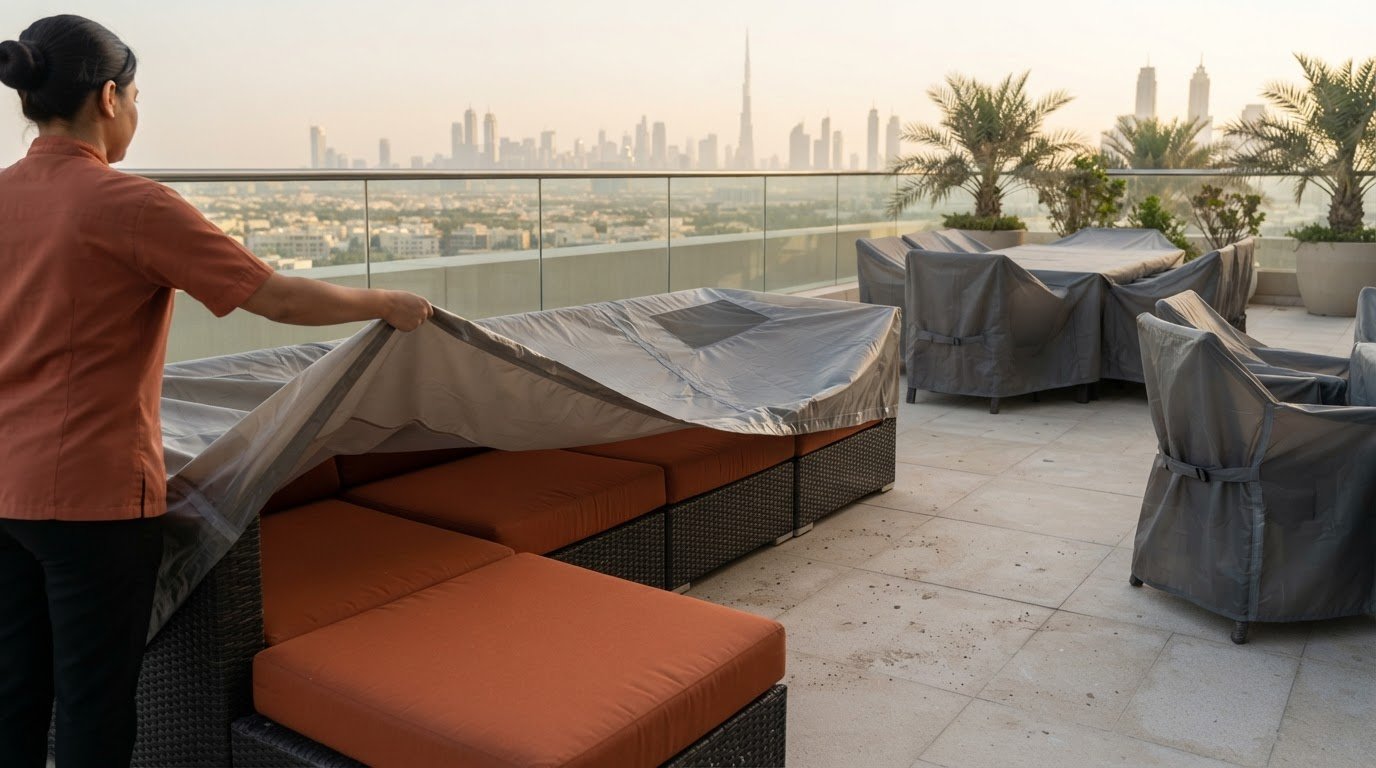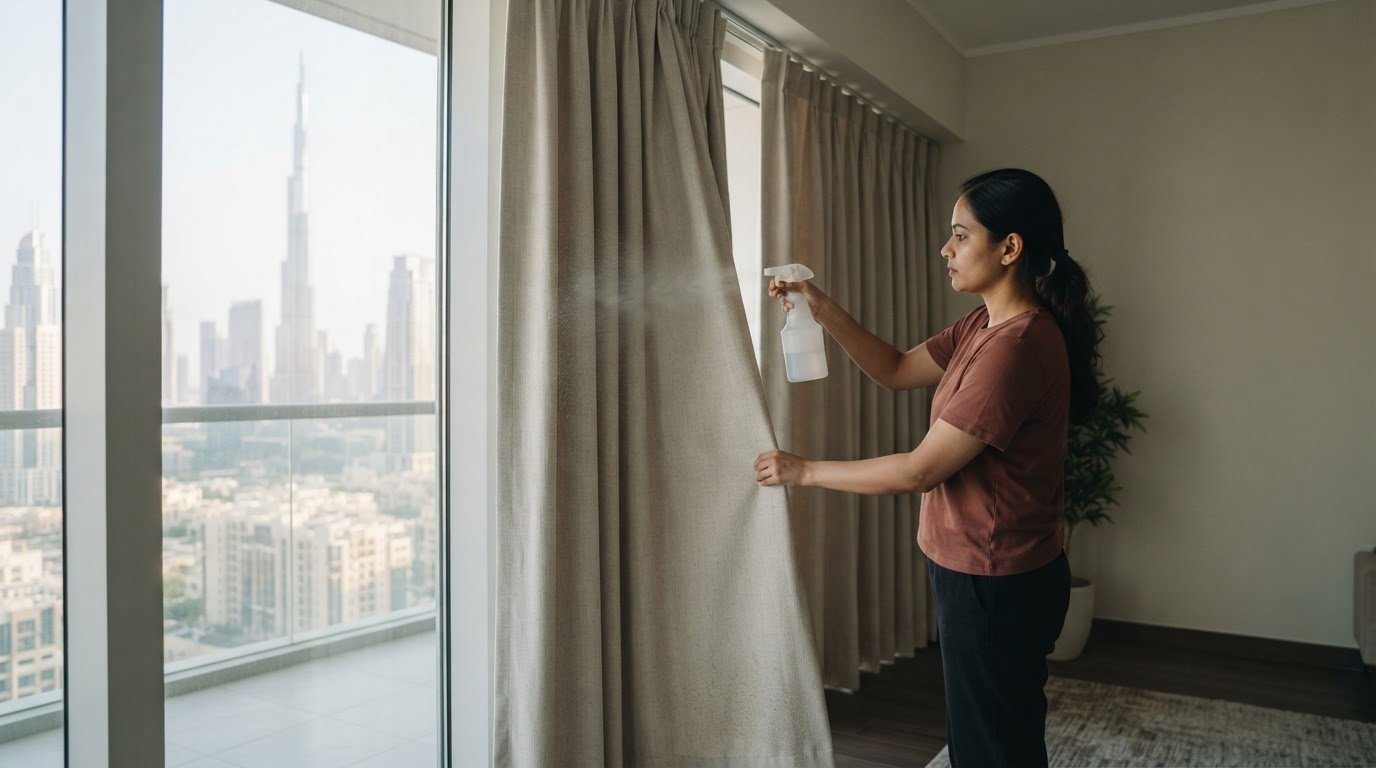

A water-resistant coating can repel splashes without making fabric waterproof. A water resistant fabric spray service applies an even treatment to clean, dry material, helping slow liquid absorption and making dirt easier to remove. It cannot replace waterproof construction.
That distinction matters when protecting curtains, upholstery, or other household textiles in Dubai. Suitable preparation and application help the treatment perform as intended, while the fabric itself determines the limits of that protection.
Here, you’ll learn how water-repellent spray works, how to prepare fabric before coating, and how to apply and cure the treatment carefully. You’ll also see where water-resistant protection ends and waterproof construction begins, so you can choose an approach suited to the item and its use.
Key Takeaways
- Use a water-repellent coating to help slow liquid absorption and make dirt easier to remove, not as a substitute for waterproof construction.
- Clean the fabric and let it dry completely before treatment so the coating can be applied to a prepared surface.
- Choose a treatment suited to the material, and test it on a discreet area before coating the full item.
- Consider Fabrico’s stain and water repellent treatment for upholstery and other suitable fabric furnishings when you want professional fabric protection.
Water-Repellent Spray: What Is It, And How Does It Work?
Choose a treatment suited to the fabric and its intended use. Spray protection slows absorption but does not make fabric fully waterproof.
-
Explore Spray Types and Woven-Fabric Treatments
Identify the material first, then select a product labelled for it. Water-repellent sprays are available for cotton, canvas, polyester, suede, nubuck, and leather. Woven cotton canvas and duck cloth can also use silicone- or wax-based treatments. For waterproof-breathable membranes such as Gore-Tex and eVent, choose a water-based textile DWR spray. Solvent or silicone sprays can reduce breathability.
-
Understand Water and Stain Repellence
Apply the treatment evenly across the fabric, following the product label. A repellent coating helps water bead on the surface instead of soaking in immediately, which can also make dirt easier to remove. It slows liquid absorption, but does not seal seams or turn woven fabric into waterproof construction. Protection typically needs reapplication after 6-18 months, depending on use; reapply sooner when water stops beading.
For fabric spray protection, allow about 24 hours for the coating to set and react with the textile before use. The precise application and curing instructions depend on the product label.
-
Review Safety and Fabric Effects
Follow the label’s instructions for children, pets, and indoor use. Spray-on treatments can have a strong odour, so apply them outdoors or in a well-ventilated space. Follow the product’s drying instructions before using the item. Test a small, hidden area first for colour change or stiffness, and consult the fabric maker’s care instructions before treating valuable textiles.
Before application, consider breathability and any warranty conditions. A coating may affect breathable membrane fabrics, so water-based DWR is recommended for Gore-Tex and eVent. Fabric spray protection lasts about 6-18 months depending on use, and water no longer beading signals that reapplication is due.
Cleaning and preparing fabric before applying a coating
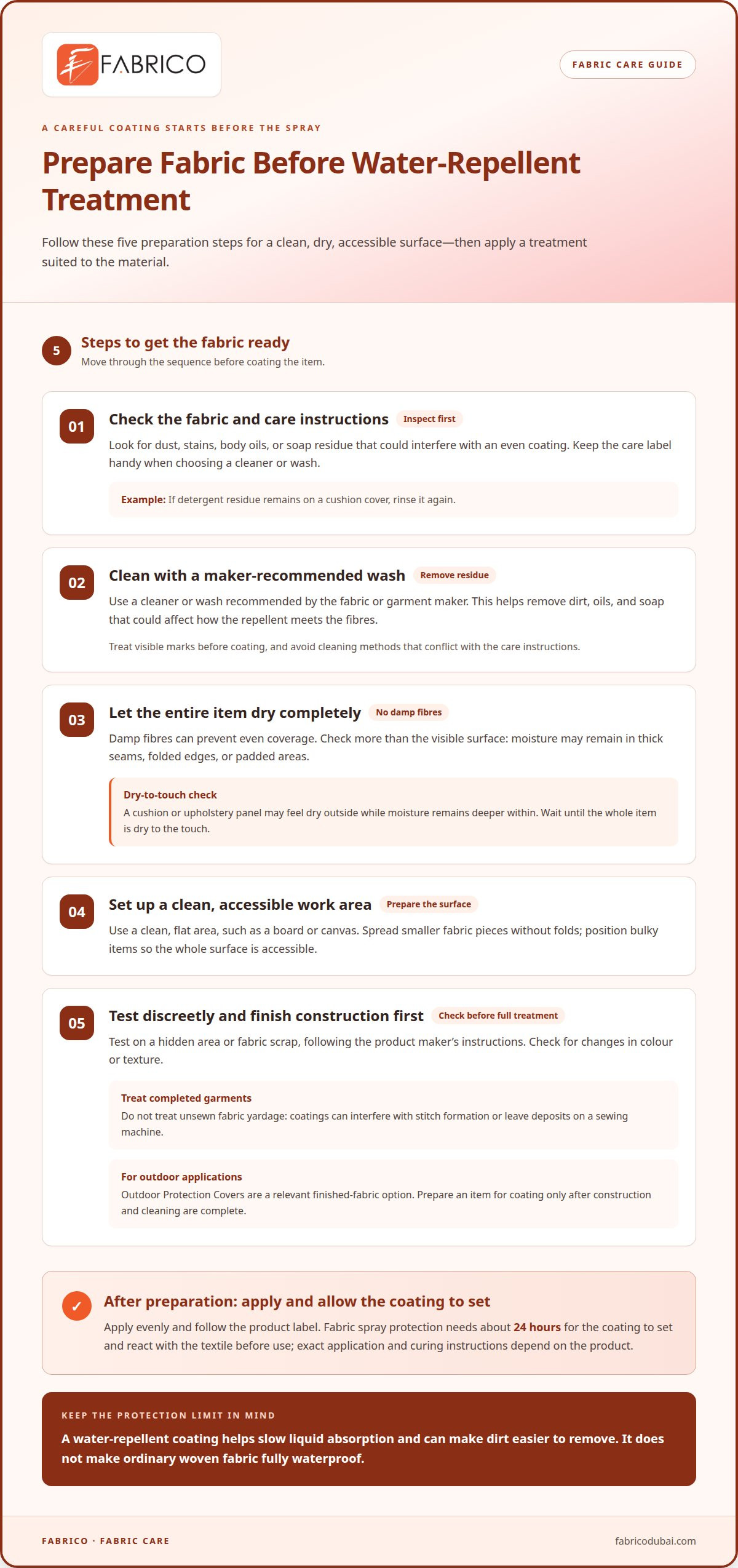
- Check the fabric and its care instructions before cleaning. Look for dust, stains, body oils, or soap residue, which can interfere with an even coating. For example, rinse a cushion cover again if detergent residue remains. Keep the care label handy when selecting a cleaner or wash.
- Clean the fabric with a cleaner or wash recommended by its maker. This removes dirt, oils, and soap that could affect how the repellent meets the fibres. Treat visible marks before coating, rather than trapping them beneath the finish, and avoid any cleaning method that conflicts with the care instructions.
- Let the material dry completely before applying treatment. Damp fibres can prevent even coverage, so check thick seams, folded edges, and padded areas as well as the surface. A cushion or upholstery panel may feel dry outside while moisture remains deeper within. Wait until the entire item is dry to the touch.
- Prepare a clean, flat work area, such as a board or canvas, and spread smaller fabric pieces without folds. Position bulky items so the whole surface is accessible. Test the treatment on a hidden area or fabric scrap first, following the product maker’s instructions, and check for changes in colour or texture.
- Treat completed garments rather than unsewn fabric yardage. Coatings can interfere with stitch formation or leave deposits on a sewing machine, affecting later construction. For outdoor applications, Outdoor Protection Covers are a relevant finished-fabric option. Prepare any item for coating only after its construction and cleaning are complete.
Before waterproofing treatment, clean the fabric to remove dirt, oils, and soap residues. The cleaner or wash should be one recommended by the garment maker. Keep both parts of this preparation in view: cleaning comes before waterproofing, and the recommended cleaner or wash is the one to use for removing those listed residues from the fabric.
Difference between water-resistant protection and fully waterproof construction
With DIY fabric spray, you prepare and coat the item yourself; professional protection means a specialist handles the application. Neither approach makes ordinary woven fabric waterproof, because spray treatment and waterproof construction work differently.
- Identify the protection your item needs before choosing a treatment. A repellent coating helps slow water absorption at the fabric surface, making it suitable for brief splashes on a cushion or curtain. It does not create a waterproof barrier through seams, zips, or the fabric’s full structure. Match the treatment to the expected exposure.
- If water must be kept out, consider the item’s construction. Fully waterproof fabric usually relies on features such as a waterproof membrane, laminated backing, sealed seams, or waterproof zips. A rain jacket with sealed seams, for example, has construction elements that a surface spray cannot add to a woven cotton cover.
- Use the difference in test results as a practical guide. In testing, all five treatments slowed the time water took to permeate fabric completely, while only one came close to fully waterproofing it. Slower absorption is not proof that fabric can withstand prolonged water exposure.
- DIY application may suit a manageable item when you can follow the product label and cover the fabric evenly. Professional fabric protection is suited to larger or bulky pieces where consistent coverage and careful handling matter. The difference is chiefly the application process: neither method turns a spray coating into a waterproof membrane or sealed seam.
Natural-fibre fabrics such as cotton canvas and duck cloth can be treated with silicone- or wax-based products for robust protection. Consider these options in light of the intended level of protection. The product choice does not change the difference between a repellent surface and waterproof construction.
Water-repellent spray should cover every bit of the fabric for all-around textile protection. Coverage across the whole textile is therefore important when applying this kind of treatment. Even when the fabric is fully covered, the treatment remains a water-repellent spray; assess the item’s construction separately when water must be kept out. This keeps expectations aligned with what surface protection can provide, rather than mistaking complete spray coverage for a waterproof barrier through the fabric and its joins.
What fabrics and items can be treated with water-resistant spray, such as sofas, carpets, curtains, and car interiors?
- Identify the surface material before selecting a treatment. Fabric sprays are intended for materials including cotton, canvas, polyester, suede, nubuck, and leather. A sofa’s woven polyester upholstery needs a product labelled for that material, while leather requires a treatment designed for leather. Don’t assume one spray suits every surface in a room or vehicle.
- Assess sofas, cushions, and carpets by fibre and construction. Household fabric treatments can be used on upholstery and pillows, while carpets need an even application across their pile. Check the care instructions and product label first. Dense carpet or padded upholstery may need careful positioning so the treatment can reach the full fabric surface.
- Match curtain treatment to the textile. Cotton or polyester curtains may suit a spray labelled for that fibre. For waterproof-breathable membrane fabrics, choose water-based textile DWR; solvent or silicone sprays can reduce breathability. A curtain’s lining and outer fabric may differ, so identify both before choosing a treatment.
- Inspect each car-interior surface separately. Seats may use woven fabric, suede, or leather, while other panels may have different finishes. Select a treatment only when its label covers the material. For example, don’t apply textile spray to leather trim simply because the adjacent seat is fabric.
- Use the item’s likely exposure to guide expectations. A treated cushion or curtain can gain water-repellent protection, but spray does not make seams or the whole item waterproof. Treat bags and luggage only with a compatible product, and follow its instructions for application and curing. For suitable household fabrics, arrange stain and water-repellent treatment as a professional protection option.
Fabrico: Stain/Water repellent treatment
Fabrico offers a water resistant fabric spray service through its stain and water repellent treatment for suitable fabric furnishings. Consider it for curtains, Roman blinds, or sofa and chair upholstery when you want professional protection for those pieces.
A water resistant fabric spray service may suit a furnishing you want to protect. Consider its fabric, condition, and everyday use: a frequently used upholstered seat may have different needs from a decorative curtain. Fabrico’s stain and water repellent treatment helps repel water and stains, but does not make fabric waterproof.
To discuss fabric protection for your furnishings, contact Fabrico.
Choose the right next step for your fabric
Start with the item you most want to preserve and consider how it fits into daily life. A frequently used seat, window coverings, and a decorative textile each serve a different purpose, so take that use into account when considering treatment. A water resistant fabric spray service is a practical option for professional protection of suitable furnishings while retaining their role in your space.
Fabrico provides fabric protection alongside furnishings and upholstery services in Dubai. Tell us what you would like treated and how the item is used, and we can help you consider the treatment’s role and set clear expectations.
Contact Fabrico about fabric protection and take a considered step towards caring for the textiles you value.
Frequently Asked Questions
What spray protects fabric from water?
For DIY treatment, use a fabric water-repellent spray labelled for the specific textile and intended item. A spray for outdoor canvas, for example, may not suit a delicate curtain or upholstered seat. Repellent treatment helps protect against water and can make some spills easier to manage, but it is not a stain remover. Choose according to the fabric’s care guidance and the protection you need.
How does professional fabric spray treatment work, and how should customers prepare?
Fabrico’s professional stain and water repellent treatment provides a coating for suitable furnishings. Tell us which item and fabric you want treated, how you use it, and any care instructions or previous treatments you know about. The fabric should be clean and fully dry. For Dubai furnishings such as curtains or upholstered seating, these details help us tailor the treatment to the material and its everyday use.
Is water-resistant fabric spray safe for children, pets, and indoor use?
Follow the product label’s instructions for children, pets, and indoor use. Spray-on treatments can have a strong odour, so apply them outdoors or in a well-ventilated space. Wait until the item is dry as directed before using it.