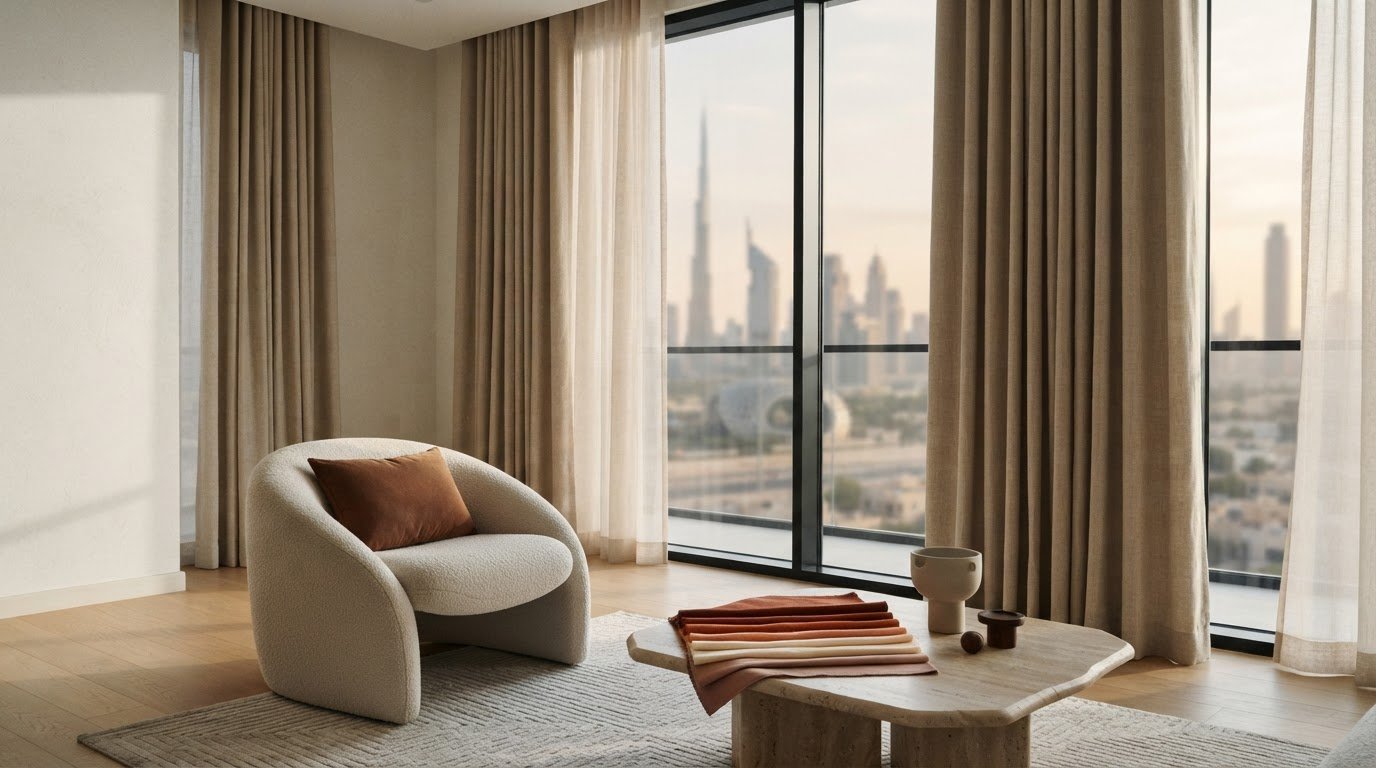

Spills account for 54% of all furniture damage, with everyday beverages like coffee and juice causing nearly half of those accidents. If you cherish bespoke dining or lounge seating, seeking dependable stain proofing for velvet chairs often brings understandable hesitation. You want lasting defense against unexpected spills, yet you worry that harsh protective sprays might crush the delicate pile, stiffen the fibers, or dull the textile’s luminous sheen.
It’s completely natural to feel cautious when caring for such a refined fabric. Fortunately, proper protection doesn’t force you to compromise on tactile softness. In this guide, you’ll discover how specialized, breathable repellent treatments bond at the molecular level to shield fine upholstery from liquid penetration, dust, and daily wear without altering its plush texture. We examine how advanced barrier applications compare to standard aerosol cans, while outlining the exact maintenance practices needed to preserve your velvet’s rich depth and elegance for years to come.
Key Takeaways
- Velvet’s vertical cut-pile architecture creates microscopic channels that quickly trap liquids, making tailored protective treatments vital for natural and synthetic fibers alike.
- Investing in professional stain proofing for velvet chairs preserves delicate nap softness and rich sheen through molecular bonding, avoiding the stiff residue often left by DIY aerosol sprays.
- Thorough pre-cleaning and careful fiber diagnostic testing are essential steps to ensure protective barriers bond securely without locking in existing oils.
- Hydrophobic repellency causes liquids to bead on the surface, allowing a prompt blotting technique to lift spills without crushing the pile or penetrating the backing cloth.
- Pairing water-repellent treatments with specialized anti-bacterial and fire-retardant barriers provides comprehensive, long-term longevity for luxury dining and accent seating.
Why Velvet Chairs Demand Specialized Stain Proofing Solutions
Velvet is fundamentally different from conventional flat-weave textiles. Its signature texture relies on a three-dimensional cut-pile construction, where thousands of sheared yarn loops stand perpendicular to a woven base. Because material composition varies, understanding what velvet is made of helps explain its distinct vulnerabilities. While synthetic polyester offers slight initial resistance, natural fibers like cotton, linen, and silk are exceptionally porous. Without proper protection, liquids drop past the surface immediately, leading to irreversible pile flattening and watermarking that permanently disrupts how the fabric catches light. Applying professional stain proofing for velvet chairs addresses these exact physical properties before accidents happen.
The Anatomy of Velvet: Dense Piles and Capillary Traps
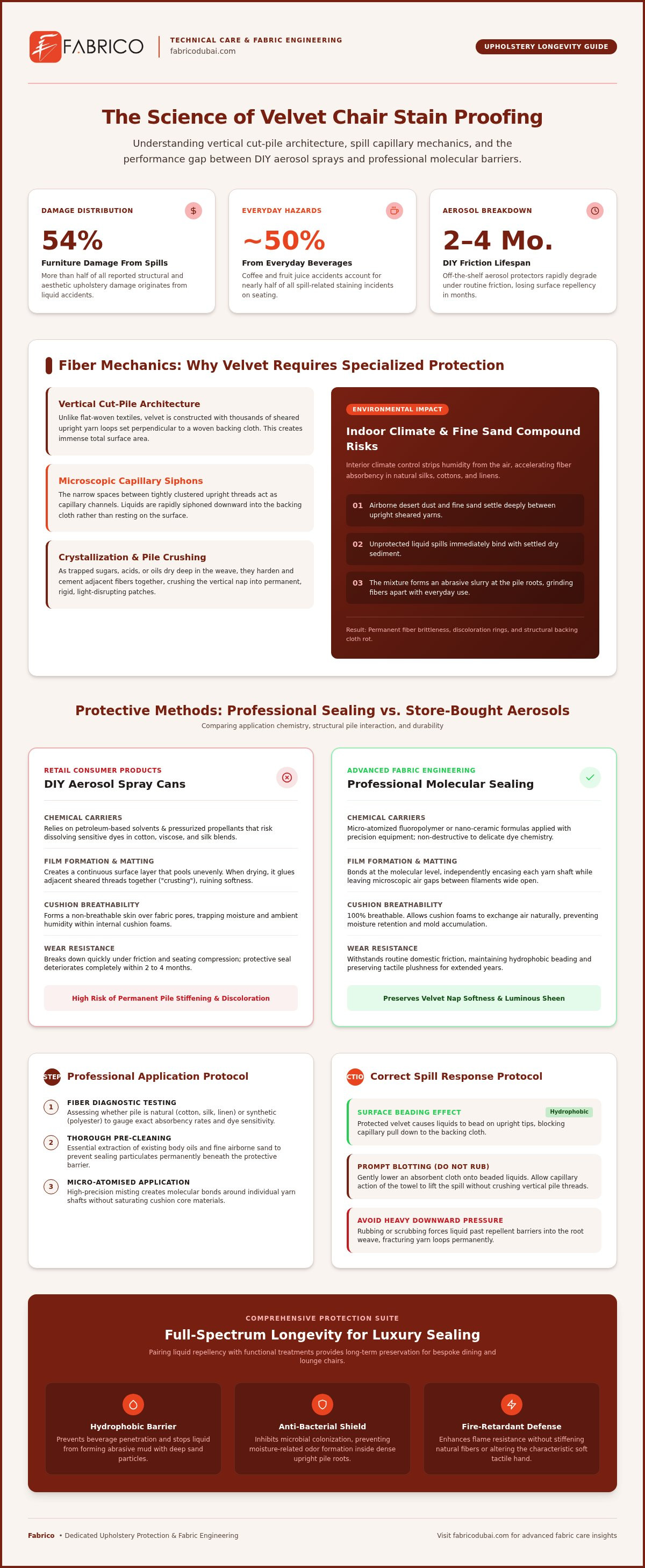
The upright yarns that give velvet its luminous sheen also create an immense surface area. Between these closely packed threads sit microscopic channels that act like tiny siphons. Through natural capillary action, liquids don’t simply sit on top; they are drawn straight down into the foundational backing cloth. As spills dry deep inside the weave, dissolved sugars, acids, or oils harden and cement adjacent fibers together. This crystallization crushes the vertical nap, leaving behind stiff, brittle patches that regular grooming cannot restore.
Regional Environmental Challenges for Velvet Furniture
Everyday indoor living creates additional complications for luxury velvet seating. Constant interior climate control strips moisture from the air, drying out natural fibers and making them far more absorbent. At the same time, microscopic desert dust and fine sand particles filter into homes, settling deep between the sheared yarns. When a liquid spill meets this hidden airborne sediment, the two bind together into an abrasive mud at the roots of the pile. Specialized stain proofing for velvet chairs establishes a molecular shield across each upright filament, preventing liquid penetration and keeping dry particulates from embedding themselves in the delicate base.
Comparing Protective Methods: Professional Treatments vs. DIY Aerosols
Safeguarding fine velvet requires choosing between off-the-shelf convenience and specialized fabric engineering. While consumer reviews often highlight the best fabric protectors available in spray cans, these aerosol solutions carry substantial risks when applied to delicate cut-pile weaves. Achieving reliable stain proofing for velvet chairs involves understanding how different application chemistries interact with vertical filaments, cushion breathability, and underlying dyes.
The Hidden Pitfalls of Store-Bought Aerosol Protectors
Retail aerosol cans rely heavily on petroleum-based solvents and pressurized chemical propellants. On bespoke cotton, viscose, or silk blends, these harsh carriers can dissolve sensitive textile dyes, creating unsightly rings and permanent discoloration. Uneven manual spraying also causes liquid to pool unevenly across the fabric surface. As the heavy solvent dries, it glues adjacent sheared threads together in a defect known as crusting. This matting destroys the velvet’s natural nap, turning a plush seat uncomfortably stiff. Consumer sprays also break down quickly under friction, often wearing off within two to four months of regular use.
The Mechanics of Professional Molecular Fabric Sealing
Professional applications take an entirely different technical route. Instead of drenching the furniture in a continuous surface film, high-precision equipment micro-atomises advanced fluoropolymer or nano-ceramic protective formulas. These fine particles coat each individual yarn shaft independently. By bonding at the molecular level, this barrier leaves the microscopic air gaps between upright fibers open. Cushion foams continue breathing freely, preventing trapped indoor humidity while granting the chair exceptional liquid repellency.
Professional stain proofing for velvet chairs creates a durable barrier that withstands routine domestic use without stiffening the fabric’s soft hand. For bespoke furnishings exposed to daily wear, turning to experienced specialists for a dedicated water repellent upholstery treatment Dubai residents rely on ensures your investment remains thoroughly protected without risking its tactile beauty.
How Professional Stain Proofing Is Applied to Velvet Chairs
Treating fine velvet isn’t a quick spray-and-walk-away task. It demands meticulous substrate preparation, disciplined chemical delivery, and careful fiber handling. Decades of bespoke upholstery craftsmanship prove that the longevity of any protective finish depends entirely on the precision of its application. Executing professional stain proofing for velvet chairs follows a structured five-stage artisan protocol designed specifically for delicate luxury seating.
Step 1 & 2: Diagnostic Assessment and Deep Substrate Preparation
The process begins by identifying the exact yarn composition through fiber diagnostic testing. Because natural cotton, linen, silk, and modern synthetic blends react differently to protective carriers, confirming the fiber matrix prevents accidental chemical damage. Technicians also perform discreet solubility and dye-fastness checks on unexposed underside margins. Following testing, the chair undergoes gentle, high-filtration vacuum extraction to eliminate latent skin oils, airborne pollutants, and settled grit. Applying protective sealants over uncleaned fabric traps microscopic contaminants against the yarn shafts, which prevents the protective formula from bonding securely.
Step 3 & 4: Pneumatic Atomisation and Controlled Curing
Once thoroughly prepped, technicians apply the protective formula using high-volume, low-pressure (HVLP) pneumatic atomisation equipment. This calibrated delivery releases a uniform micro-mist that envelops each filament from crown to base without soaking the underlying foundation cloth or cushion foam. Puddling is entirely eliminated. During the crucial initial drying phase, specialists groom the pile using a soft-bristled velvet brush, moving strictly in the direction of the natural nap. This directional grooming prevents the fibers from curing askew, preserving the textile’s signature softness and fluid light reflection.
Step 5: Post-Treatment Water Contact Angle Verification
Following complete molecular cross-linking in a climate-controlled curing space, the fabric undergoes microscopic surface tension testing. Specialists deposit tiny droplets of distilled water onto concealed sections to confirm high contact angle beading. The treated upholstery is then tactilely evaluated alongside an untreated control swatch, verifying zero stiffening, residue, or shift in color depth. With specialized stain proofing for velvet chairs properly set, clients receive a tailored maintenance schedule aligned with their specific velvet weave and room usage.
Managing Spills on Protected Velvet: The Correct Response Protocol
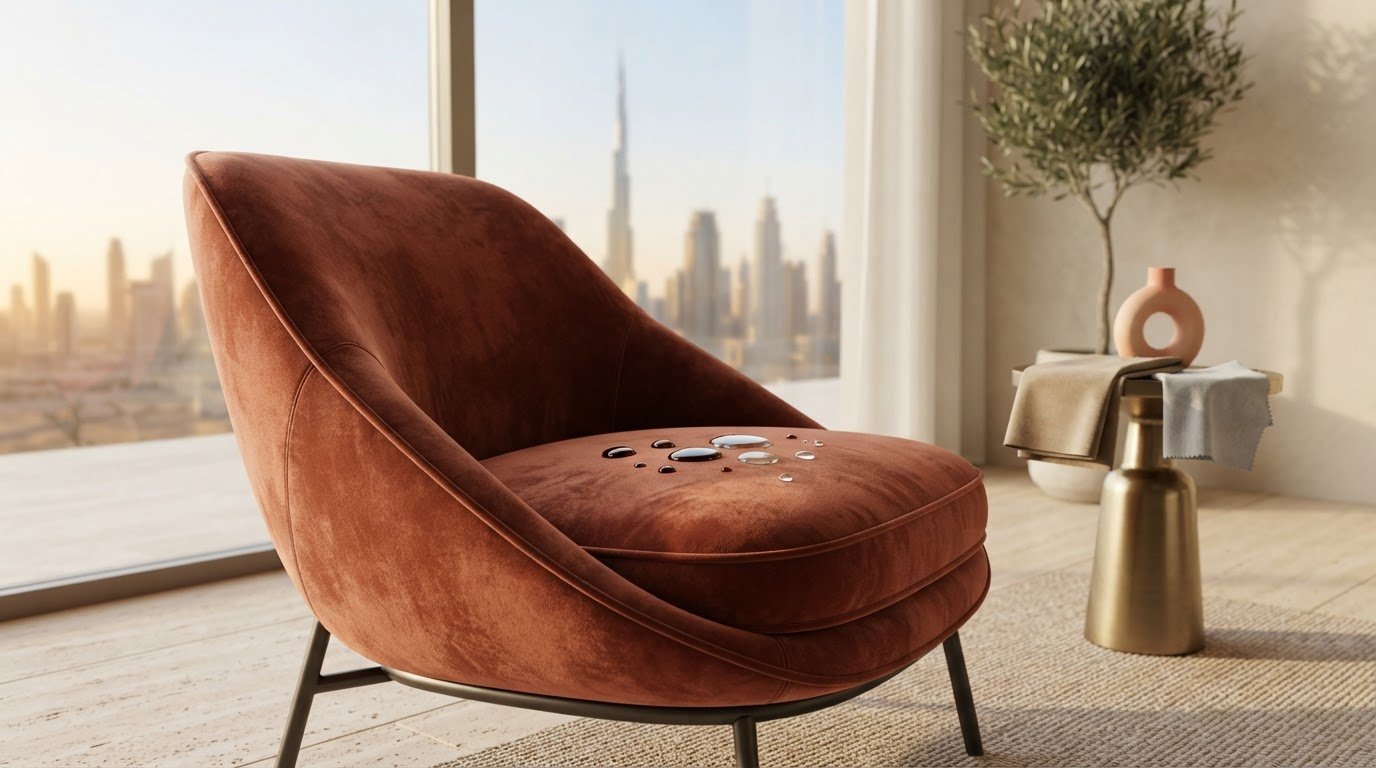
When professional hydrophobic treatments are in place, liquids behave in a fascinating way. Instead of soaking through instantly, aqueous spills bead across the tips of the upright pile, suspended by intense surface tension. This gives you valuable reaction time. Even so, the mechanical response must be precise. Because wet velvet yarns weaken under direct friction, scrubbing the surface can twist, distort, or shear the pile permanently. Proper stain proofing for velvet chairs buys you that critical window, but your cleanup technique determines whether the fabric emerges completely spotless.
The Golden Rules of Velvet Spill Containment
Act swiftly without rushing into aggressive motions. Follow these foundational containment steps:
- Use plain absorbent materials: Grab unbleached paper towels or a dry, undyed microfiber cloth immediately. Dyed napkins can transfer tint directly onto wet fibers.
- Blot strictly with downward pressure: Rest the cloth gently atop the liquid beads to draw them up via natural capillary transfer. Never wipe, press hard, or scrub sideways.
- Work perimeter to center: Direct your blotting motion inward from the outer edges to prevent rings from forming around the wet margin.
Addressing Viscous and Oil-Based Dining Spills
Dense sauces, rich dressings, and gravies require a two-stage approach before moisture spreads. First, lift the surface mass by gently skimming a dull knife or spoon edge along the nap without digging into the weave. Next, cover the oily residue immediately with micro-fine cornstarch or talc. Let the dry powder sit undisturbed for 20 minutes to draw lipids out of the yarn shafts. Once the oil has bound to the powder, vacuum it away cleanly with an upholstery attachment, avoiding water-based soaps that could dilute the repellent shield.
Restoring the Nap: Brushing and Light Steaming Techniques
Even properly blotted spills may leave fibers slightly compressed. Once the area is completely dry to the touch, comb the pile gently upward with a dry, soft-bristled velvet brush to align the yarns. If stubborn indentations remain, hold a steamer at least six inches away, letting indirect, low-pressure vapor relax the yarn structure before brushing it back into place. Allow the fabric to air dry thoroughly before anyone sits down.
For bespoke luxury dining or lounge suites requiring specialized care, consult our artisans at Fabrico to arrange professional protective treatments that keep your velvet pristine through every gathering.
Maintaining and Restoring Velvet Dining and Accent Chairs
Even with disciplined care, everyday use eventually leaves its mark on active seating. Recognizing when an accent chair needs surface maintenance versus comprehensive restoration comes down to assessing the pile and the foundation beneath it. When upright velvet yarns suffer persistent friction that wears down to the backing cloth, or when internal webbing and foam lose their structural support, surface cleaning can’t resolve the issue. In these situations, pairing structural rejuvenation with specialized stain proofing for velvet chairs revitalizes both the visual elegance and functional durability of your favorite pieces.
Vetting a Fabric Treatment and Upholstery Specialist
Entrusting luxury seating to a general repair shop carries substantial risk. When selecting an upholstery partner, verify their direct experience working with delicate cut-pile textiles. Inquire whether their protective formulas comply with indoor air quality benchmarks and preserve natural fabric breathability. A qualified provider should offer full-scope expertise, identifying frame fatigue and cushion degradation alongside surface needs. For comprehensive protection, pairing repellent barriers with specialized fire retardant and anti-bacterial treatments delivers multi-layered defense for both residential dining suites and high-traffic hospitality settings.
The Fabrico Advantage: 35 Years of Dubai Textile Expertise
Safeguarding fine furniture requires a dedicated balance of traditional craft and modern textile chemistry. Backed by more than 35 years of bespoke upholstery experience in the UAE, Fabrico provides complete in-house care tailored to luxury interiors. Our master artisans understand how local climate conditions interact with fine textiles, ensuring every piece receives the exact care its composition requires.
Whether you want to apply high-performance stain proofing for velvet chairs or completely revive worn dining suites through our custom upholstery services Dubai homeowners rely on, we approach every project with exacting precision. Contact Fabrico today to arrange protective fabric treatments or book a tailored upholstery consultation for your home.
Securing Lasting Elegance for Your Velvet Furniture
Luxury velvet seating is an investment in timeless interior elegance. Protecting that beauty doesn’t require compromising on the plush texture or luminous sheen you love. By opting for advanced molecular fabric sealing instead of risky aerosol sprays, you shield upright filaments from deep spill penetration while keeping the textile fully breathable. Paired with disciplined spill containment, professional stain proofing for velvet chairs ensures your bespoke dining and accent pieces handle daily hospitality with effortless grace.
Backed by over 35 years of trusted craftsmanship in Dubai, Fabrico unites comprehensive upholstery services and specialized protective treatments under one roof. Whether you’re safeguarding newly commissioned seating or refreshing cherished family heirlooms, our master artisans provide the exacting care delicate textiles demand. Protect your luxury dining chairs with Fabrico’s bespoke fabric treatments and enjoy welcoming guests with complete peace of mind.
Frequently Asked Questions
Can you stain proof cotton and silk velvet chairs safely?
Yes, natural cotton and silk velvet chairs can be safely protected when treated with tailored, non-aqueous professional formulas. Unlike synthetic polyester, natural cut piles are delicate and easily damaged by excessive moisture or heavy solvents. Specialists use fine pneumatic misting to coat each fiber without soaking the base cloth. This preserves dimensional stability and avoids watermarking, ensuring safe protection for fine dining furniture in Dubai homes.
Will stain proofing alter the soft texture or sheen of my velvet chairs?
No, professional stain proofing for velvet chairs will not stiffen the fabric or diminish its distinctive luster. Outdated retail sealants often leave a crusty surface residue, but modern nano-coatings bond cleanly at the microscopic fiber level. The space between the upright pile yarns stays open and breathable. Hand-brushing the nap during the curing stage ensures the textile keeps its original tactile softness and fluid light reflection.
How long does a professional velvet stain repellent treatment last?
A professional stain repellent application typically lasts between one and three years, depending on traffic levels and daily usage. In Dubai dining rooms used primarily for hosting, treatments remain fully effective toward the longer end of that window. High-traffic family spaces may require touch-ups after 12 to 18 months due to mechanical friction. Regular gentle vacuuming and prompt spill blotting help maintain the protective barrier’s molecular integrity.
What is the difference between factory performance velvet and after-market treatment?
Factory performance velvet is woven from inherently liquid-resistant synthetic yarns like polyester, whereas after-market treatments apply protective barriers directly to existing furniture. While mill-treated synthetics are durable, they restrict your design choices to specific catalog swatches. Professional after-market stain proofing for velvet chairs allows you to choose luxurious natural silks, fine linens, or traditional cotton velvets, giving bespoke residential pieces robust liquid repellency without sacrificing artisanal fabric selection.
Can existing stains on velvet chairs be treated and protected?
Yes, existing stains should be professionally evaluated and removed before applying a protective finish. Applying sealants over set-in spots traps discoloration permanently within the fibers. At Fabrico, our Dubai workshop diagnoses the stain type, carefully lifts settled oils or residues using targeted spotting agents, and grooms the pile. Once the fabric is thoroughly cleansed and dried, we apply our protective repellent barrier to prevent future accidents from penetrating.
Is professional fabric stain protection safe for indoor home use?
Yes, modern professional fabric protection formulas are safe for indoor residential spaces once fully cured. Reputable specialists prioritize non-toxic, eco-conscious chemistries that adhere to strict international indoor air quality benchmarks. Because these treatments cross-link and cure without releasing hazardous fumes, they pose no danger to families or pets. The treated chairs remain completely odorless, breathable, and ready for regular dining within hours of service completion.
How should I clean my velvet chairs after they have been stain proofed?
Routine care requires nothing more than gentle vacuuming with a soft brush attachment and immediate blotting for unexpected spills. Run the vacuum nozzle in the direction of the natural nap weekly to extract fine Dubai dust before it settles. When a beverage spills, simply set an unbleached paper towel atop the liquid beads to let capillary action absorb it. Avoid abrasive detergents or scrubbing, which can damage the delicate pile.