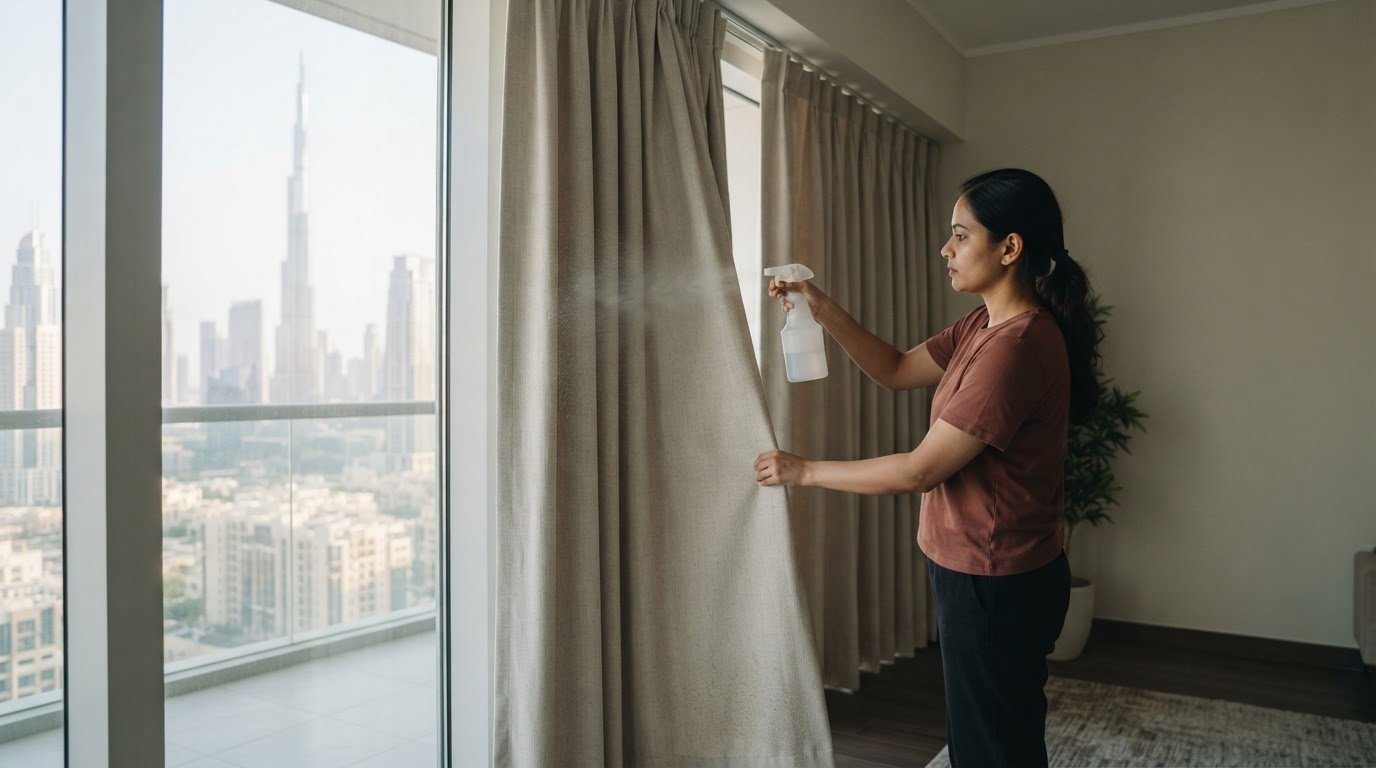

Nano-coating may be worthwhile for sofas and dining chairs when you want everyday spills to be easier to manage, not a finish that prevents every stain. A professional fabric protection service in Dubai can assess the textile, prepare it with careful vacuuming and apply a suitable protective treatment. On treated fabrics, many stains can be wiped away with a clean cloth and often need only water.
It’s understandable to want to protect upholstery without changing its look or feel. This guide explains what nano-coating can and can’t do, how inspection and preparation fit into the process, and what affects how long protection lasts. You’ll also see how the same care principles apply to carpets and rugs, and when fabric protection may be a practical addition to upholstery care.
Key Takeaways
- Start with a fabric inspection and thorough vacuuming so the treatment plan suits the upholstery’s condition and material.
- Weigh nano-coating by your household’s spill risks and use habits, not by an expectation of stain-proof fabric.
- Account for foot traffic and cleaning when considering protection for carpets and rugs, as these affect how long treatment lasts.
- Match the service to the item, from sofas and dining chairs to floor coverings, for a more considered approach to fabric care.
Furniture inspection and vacuuming before application
Professional fabric protection begins with inspecting the furniture and vacuuming its fabric surface. The next step is applying an appropriate protective treatment to clean, compatible material, then allowing it to dry according to the product directions.
Pre-Application Furniture Inspection
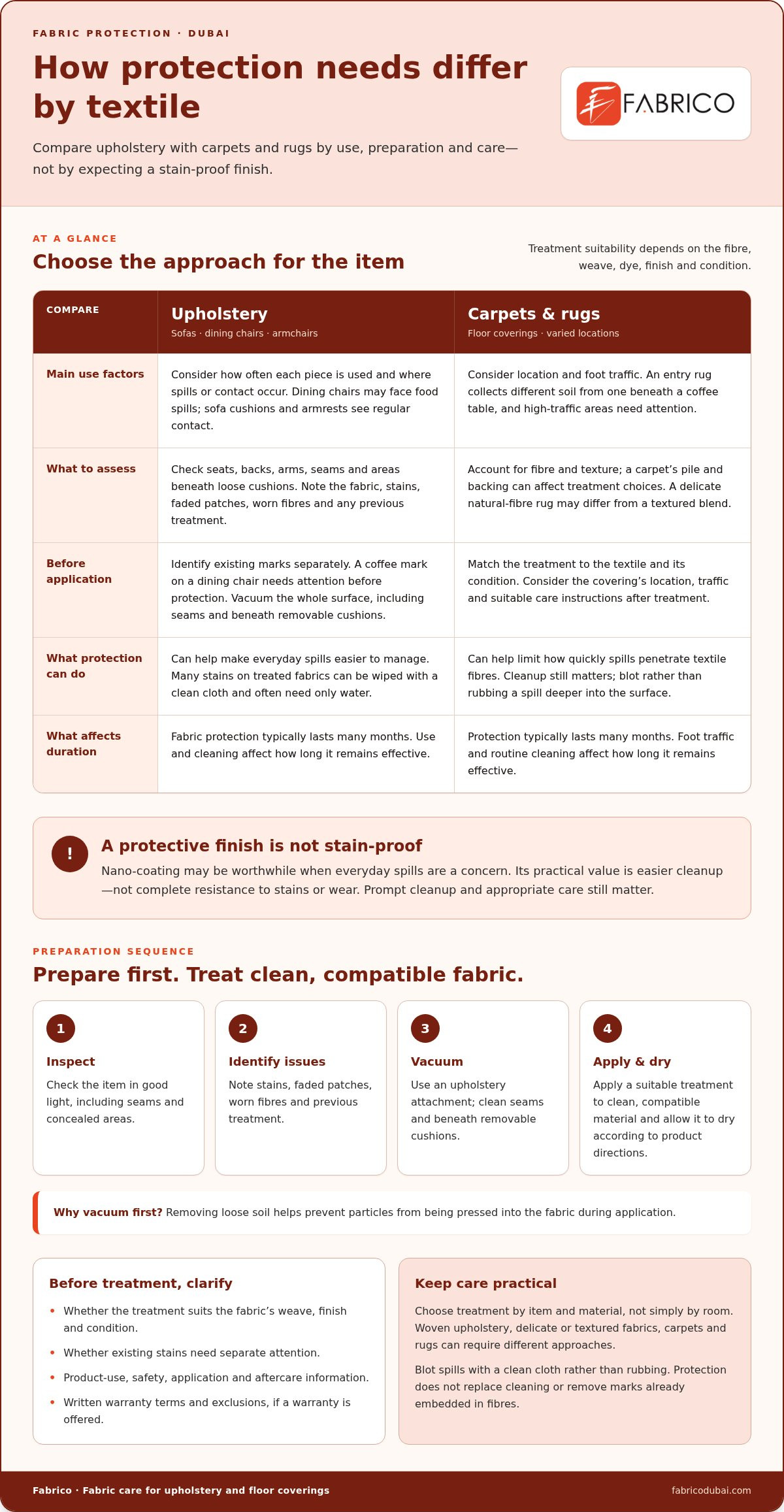
Inspect each item in good light, including the seat, back, arms, seams and areas beneath loose cushions. Note the fabric type, existing stains, faded patches, worn fibres and any previous treatment. For example, a coffee mark on a dining chair needs attention before protection is applied. Inspection helps assess the surface condition and whether the fabric suits the chosen treatment.
Vacuuming Before Application
Vacuum the entire fabric surface before applying protection, moving across the seat, back, arms and cushion edges. Use an upholstery attachment and carefully clean along seams where crumbs and dust collect. Removing loose soil first helps prevent particles from being pressed into the fabric during application. Lift removable cushions and vacuum both the upholstery and the area beneath them.
Upholstered sofas, dining chairs, armchairs and fabric cushions may be suitable for indoor protection. The material and its condition matter more than the furniture’s shape: woven upholstery, for instance, may need a different approach from delicate or textured fabric. Inspect seams and concealed areas as well as broad panels, since wear or previous cleaning can affect the surface.
For home upholstery, consider where each piece sits and how it is used. A dining chair exposed to food spills has different needs from a rarely used guest-room armchair. Include loose cushions in the assessment and identify existing stains separately. Protection helps manage everyday spills, but it does not replace cleaning or remove marks already embedded in the fibres—a standard practice advocated by specialists like Carpet Cleaner In Manchester, who recommend thorough textile cleaning before applying any protective layer.
Follow the steps in order: inspect the fabric, identify stains and wear, vacuum the upholstery, then apply a suitable treatment. This preparation gives the applicator a clearer view of the material and supports more even coverage.
Protection for upholstery, carpets and rugs
Fabric protection helps limit how quickly spills penetrate textile fibres. It doesn’t make a sofa, carpet or rug stain-proof, so prompt cleanup still matters. On treated textiles, many stains can be wiped away with a clean cloth and often need only water. Blot a spill rather than rubbing it deeper into the surface.
Suitability depends on the fibre, weave, dye and existing finish. Tightly woven synthetic upholstery may respond differently from a delicate natural-fibre rug or a textured blend. A carpet’s pile and backing also affect treatment choices. Matching the application to the textile helps protect its appearance without assuming every fabric can be treated in the same way.
Protection can help make some everyday spills easier to address before they settle into fibres. On a living-room sofa, for example, a fresh drink mark may be simpler to clean. On a carpet, foot traffic and routine cleaning affect how long the treatment remains effective. Fabric protection typically lasts many months, with use, foot traffic and cleaning affecting its duration.
For carpets and rugs, consider their location: an entry rug collects different soil from one beneath a coffee table. Pay attention to high-traffic areas and follow suitable care instructions after treatment. On upholstery, focus on armrests and seat cushions, where contact and spills occur regularly. These practical habits help preserve textiles alongside the protective layer.
Choose treatment by item and material, not simply by room. A sofa, dining-chair fabric and wool-blend rug each have different textures and use patterns. Stain and water repellent treatment is relevant to fabric surfaces where spill management is the priority, while outdoor textiles face different exposure. Explore fabric care options when planning protection for upholstered furniture.
Fabric protection for sofas and dining chairs
For sofas and dining chairs, nano-coating may be worthwhile when frequent use makes spills a concern. Its practical value is easier cleanup, not complete resistance to stains or wear. Consider whether the treatment suits the fabric and the demands placed on each seat.
Are there UAE regulations or safety standards for fabric protection products? A “nano-coating” label alone does not identify a safety standard or establish suitability. For indoor upholstery, consider the product’s intended textile use, label, application instructions and safety information before treatment.
Do Dubai fabric protection services offer warranties or guarantees? Coverage depends on the written terms for the specific treatment. Read what a warranty covers, its exclusions, and whether it addresses stains, wear, colour changes or cleaning-related damage.
Before booking, focus on the details that affect the result. Sofa armrests and seat cushions face different contact patterns from a dining chair’s back and seat. Ask what preparation and application steps are included, what care instructions apply afterwards, and how the treatment may affect the fabric’s appearance or feel. A clear explanation of these details is more useful than a generic prompt to get in touch.
- Identify the fabric and discuss whether the treatment suits its weave, finish and condition.
- Clarify whether existing stains need separate attention before protection is applied.
- Ask for product-use and safety information, including relevant application and aftercare instructions.
- Read warranty terms carefully, especially exclusions involving spills, routine wear and cleaning.
Evaluate a treatment by its intended purpose and care requirements, not by the word “nano” alone. For a frequently used dining chair, prioritize spill management and straightforward aftercare. For a sofa, consider contact on cushions and armrests, then weigh those needs against the fabric’s care requirements.
What professional fabric protection services are available in Dubai?
Dubai fabric-care services address different needs, from spill management to specialist textile treatments. Stain and water-repellent treatments help make everyday spills easier to handle. Fire-retardant and antibacterial treatments serve separate purposes, so match the treatment to the concern rather than assuming one coating does everything.
For upholstered furniture, carpets and rugs, use and cleaning can wear down the protective layer over time. Protection typically lasts many months, depending on use, foot traffic and cleaning. A hallway carpet sees more regular contact than a bedroom rug, while sofa cushions receive repeated pressure and cleaning.
Traditional toxic fabric protectors last for 1 year. That duration alone doesn’t describe a product’s suitability for a particular textile or its safety. Read the application and care instructions, and consider the fabric type and intended indoor or outdoor use before selecting treatment.
- Stain and water repellency: helps manage common spills on suitable textiles.
- Fire-retardant treatment: addresses a separate protection requirement from spill resistance.
- Antibacterial treatment: offers another treatment category for fabric-care needs.
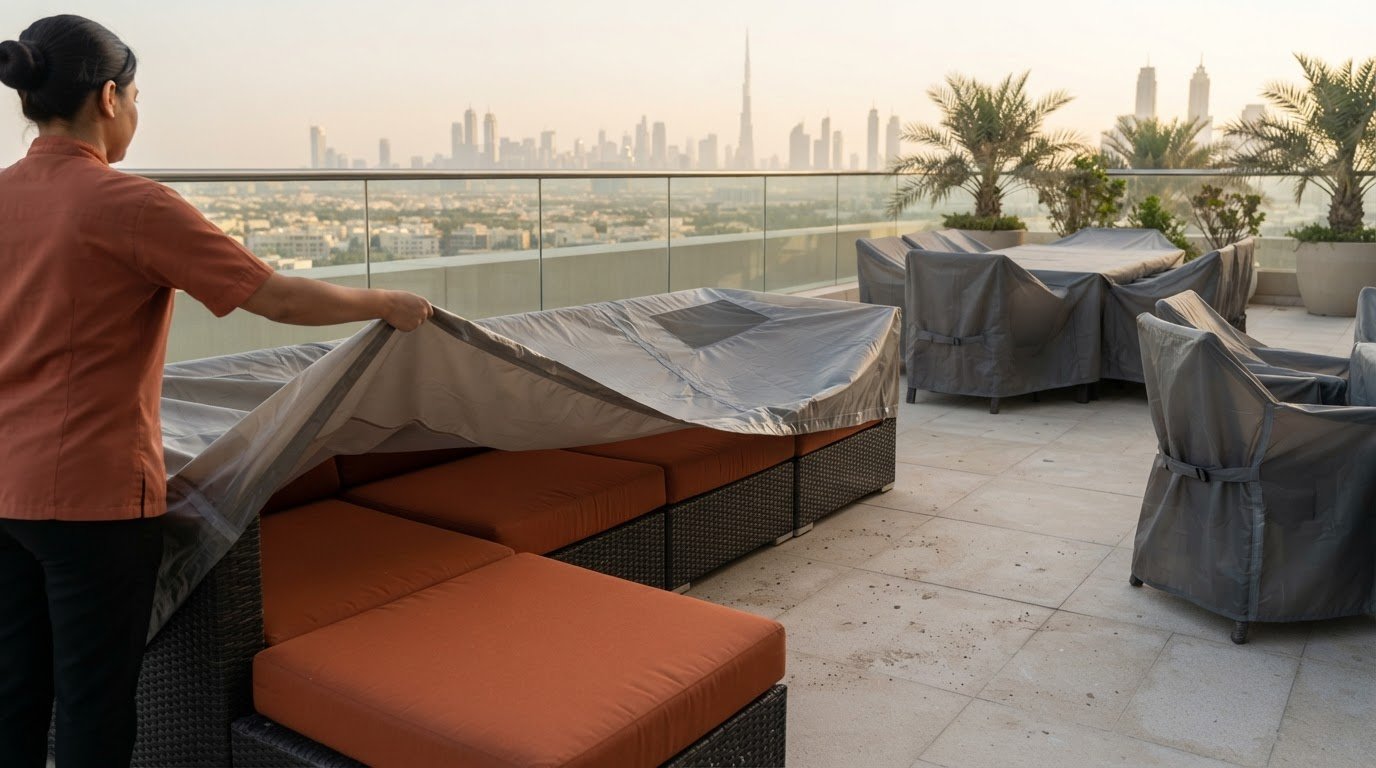
- Outdoor protection: covers can help shield outdoor furnishings from exposure.
Choose protection based on the item and its exposure. A dining chair used daily may need spill-focused protection, while an outdoor cushion faces different conditions from indoor upholstery. For rugs, consider foot traffic and cleaning habits. Many stains on treated textiles can be wiped with a clean cloth and often need only water, but prompt care remains useful.
To explore fabric-care options for home furnishings, view fabric protection options and consider which treatment suits each textile.
Fabrico: Pleated American curtains
Fabrico can help with tailored window treatments, refreshed upholstery and practical outdoor covers for homes in Dubai. Its pleated American curtains add elegance and sophistication, while Roman blinds offer a popular blind option. Fabrico’s sofa and chair upholstery service can renew the fabric finish on existing seating.
If your priority is protecting outdoor furnishings, Fabrico’s Outdoor Protection Covers provide a focused solution for furniture and other outdoor items. For a coordinated home update, consider how window treatments, upholstered seating and outdoor furnishings work together, then choose the service that addresses your immediate need.
Contact Fabrico to discuss your home furnishing requirements, or visit fabricodubai.com.
Make fabric care part of your home plan
Choose your next step based on the textiles you value most. A busy family room, a formal dining area and a shaded terrace each place different demands on fabric, so decide which space needs attention first. Then consider whether protection, refreshed seating or a coordinated window treatment best suits the room’s use.
Fabrico offers sofa and chair upholstery for seating, alongside pleated American curtains and Roman blinds for windows. These services can help you plan a cohesive approach to furnishings while keeping each decision focused on its purpose. If you’re considering a professional fabric protection service in Dubai, share your priorities, such as preserving a favourite sofa or managing everyday spills on upholstery.
Explore the options and take the next step at contact Fabrico about fabric protection. A considered choice can help your furnishings remain better aligned with the way you live.
Frequently Asked Questions
Which areas do you cover and can I get a free quote?
Fabrico’s service focus is Dubai. A quote request is the practical next step for project pricing, which is provided after the request and depends on the case. Include the item type, fabric details, number of pieces and your Dubai location so the project scope is clear. Ask whether any quote fee applies when arranging your enquiry.
Which fabrics and furniture can be treated with fabric protection in Dubai?
Fabric protection may suit upholstered sofas and chairs, cushions, curtains, carpets and rugs, depending on the textile and its condition. A velvet chair, for example, may need a different assessment from a tightly woven cushion cover. Share the fabric care label and details of previous treatments to help determine whether the material is suitable and which treatment best fits its use.
How much does fabric protection service cost in Dubai?
The cost depends on the case, and pricing is provided after a quote request. Factors include the item’s dimensions, fabric type and condition, number of pieces, preparation needs and selected treatment. A single armchair and a full sofa set have different scopes. Share these details to receive pricing relevant to your furnishings in Dubai.
How long does fabric protection last, and how often should it be reapplied?
Protection typically lasts many months; use, foot traffic and cleaning affect its duration. A rarely used accent chair and a family sofa cleaned frequently may need different maintenance plans. Rather than setting a fixed reapplication date, consider the furniture’s use and care history. Reassess the treated surface as routine cleaning and contact gradually affect it.
What stains and spills does fabric protection prevent, and what does it not protect against?
Fabric protection helps resist some everyday spills, such as a fresh coffee splash on a chair, by making cleanup easier. It doesn’t make fabric stain-proof or prevent every mark. It also won’t reverse existing stains, worn fibres or colour fading. Blot new spills promptly and treat persistent marks according to the textile’s care instructions.
How should protected upholstery be cleaned and maintained?
For a fresh spill, blot the area with a clean cloth rather than rubbing it. Treated textiles often need only water for simple stain cleanup, but follow the upholstery’s care label and treatment instructions. Vacuum cushions and creases regularly to remove loose dust. Avoid aggressive scrubbing, which can disturb fibres and affect the fabric’s appearance. For periodic deep maintenance beyond everyday spot-cleaning, professional providers like Advance Cleaning Services Inc. offer comprehensive cleaning solutions to restore and maintain fabric condition.