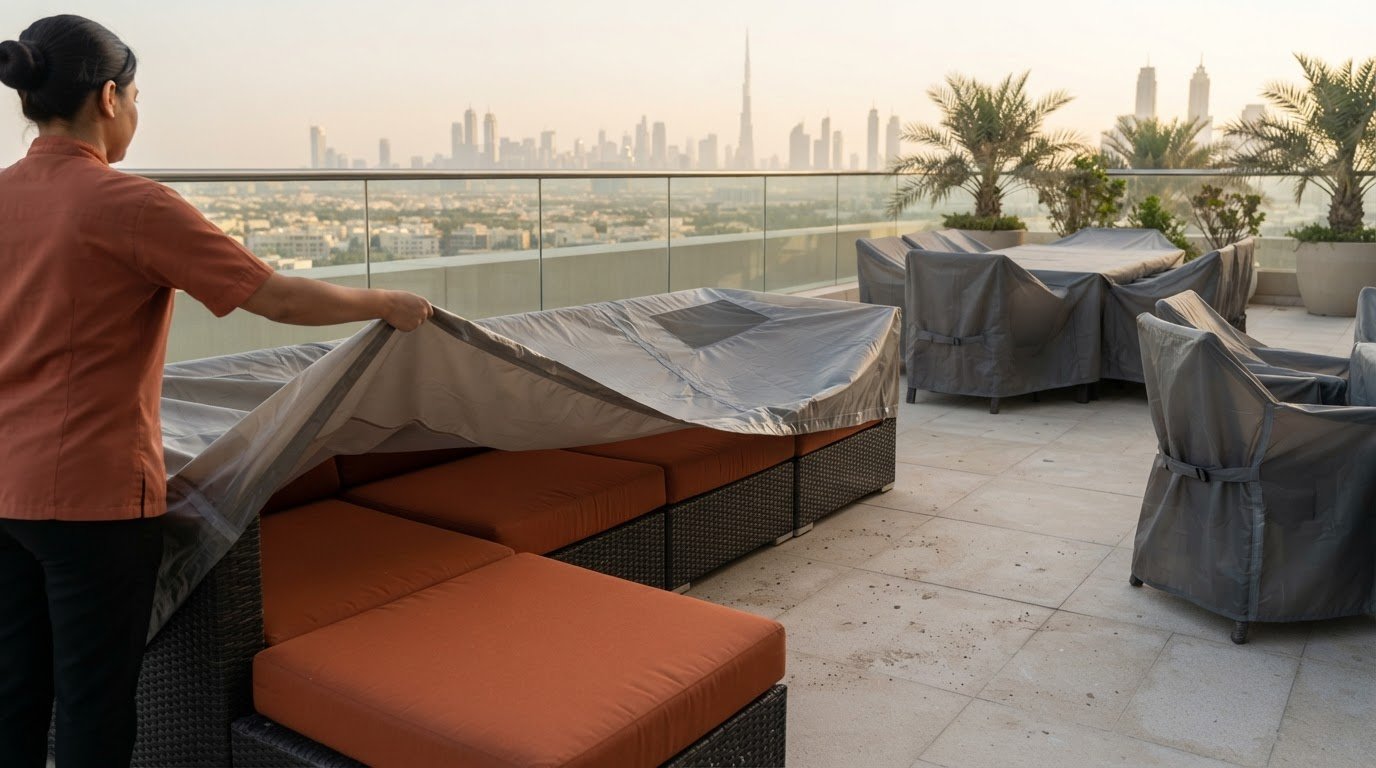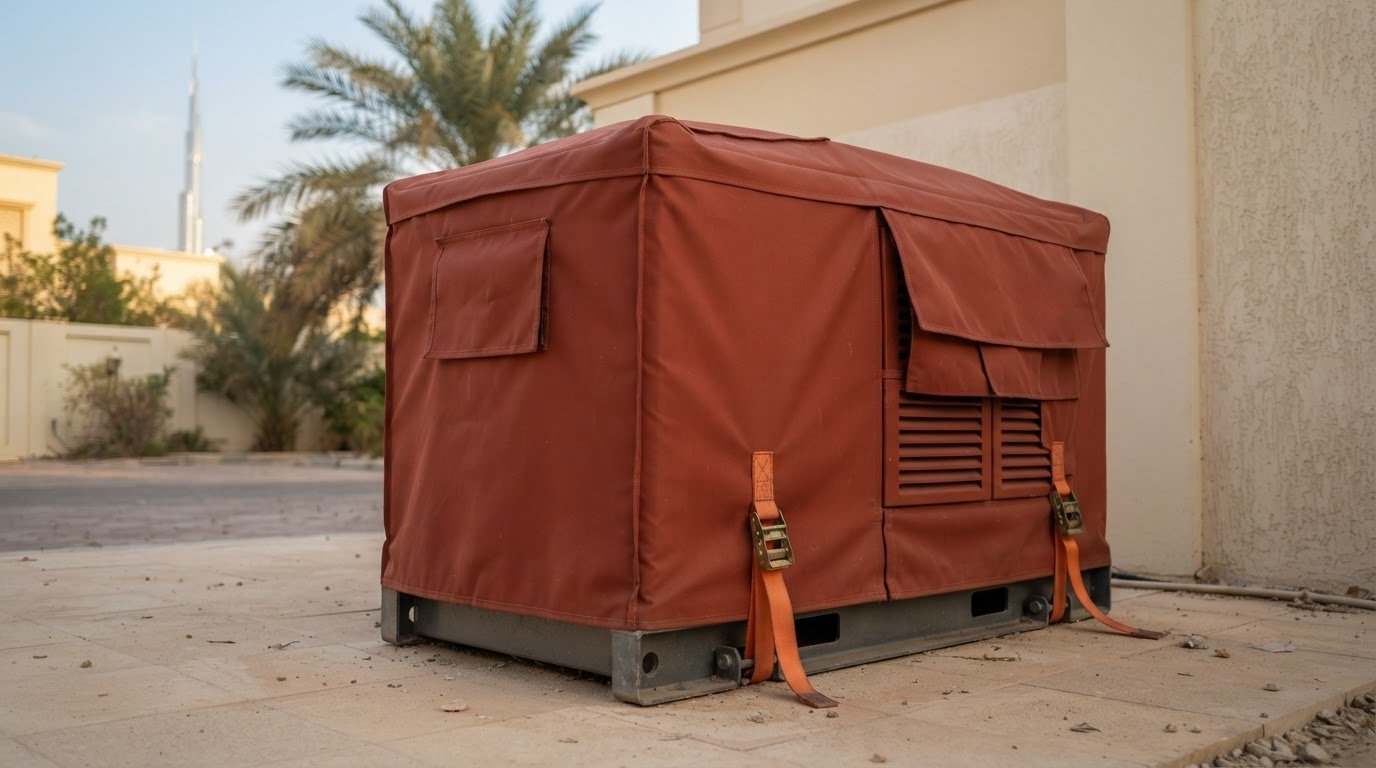

Secure tie-downs help keep heavy duty outdoor equipment covers in place when wind catches the fabric. The right arrangement depends on the equipment’s shape and available anchoring points, while a close fit helps limit exposure to sun, dust, rain and debris.
It’s easy to focus on the cover material, but fit and fastening matter just as much. A cover that shifts or leaves key areas exposed may not protect equipment as intended, especially outdoors in Dubai.
This guide explains how tie-downs secure a cover, how custom sizing accommodates unusual dimensions and access points, and how an optional airbag may help reduce water pooling. It also compares common outdoor cover styles so you can consider the equipment, exposure and day-to-day access before choosing. Each detail helps make a cover practical to use and suited to its setting.
Key Takeaways
- Choose secure tie-downs and a well-fitted cover to help limit movement and reduce exposure to sun, dust, rain and wind.
- Measure the equipment’s shape and account for vents, controls and access points when planning a custom fit.
- Consider how an optional airbag can raise the cover’s surface and help reduce water pooling.
- Compare cover styles by the equipment they need to protect and how you’ll access it during regular use.
Protection from UV rays, rain, snow, wind, dust, and debris
A well-fitted cover helps limit sun exposure and reduce dust on outdoor machinery. Choose protection based on where the equipment sits, its exposure to the elements and its ventilation needs.
UV and Heat Protection
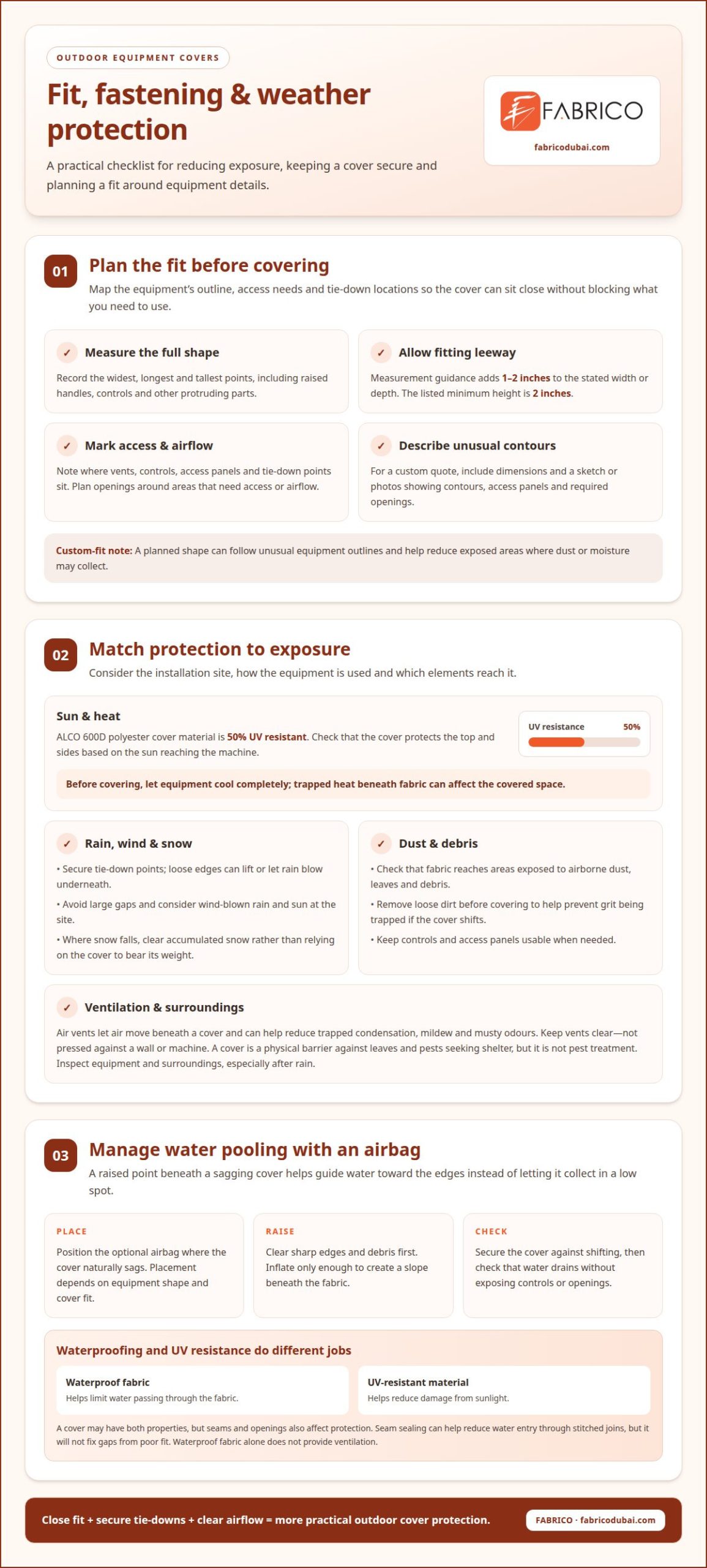
Direct sunlight can expose equipment surfaces to UV rays and heat. A cover can provide shade, but its material and fit matter: ALCO 600D polyester cover material is 50% UV resistant. Consider how much sun reaches the machine and whether the cover protects its top and sides. Before covering equipment, let it cool completely; trapped heat beneath fabric can affect the covered space.
Rain, Snow, and Wind Protection
Rain protection depends on the cover’s material, coverage and fit. A loose edge can let wind lift the fabric or drive rain beneath it, so secure the cover using its tie-down points without leaving large gaps. If equipment is stored where snow falls, clear accumulated snow rather than relying on the cover to bear its weight. For outdoor use in the UAE, consider wind-blown rain and sun exposure at the installation site.
Dust and Debris Protection
A close-fitting cover creates a barrier against airborne dust, leaves and other debris that can settle on machinery or outdoor furniture. Check that the fabric reaches the areas most exposed to falling debris, while keeping controls or access panels usable when needed. Remove loose dirt before covering the equipment. This helps prevent grit from getting trapped between the surface and fabric if the cover shifts.
Ventilation, Temperature, and Pest Protection
Protection should not seal damp air against equipment. Air vents let air move beneath a cover and can help reduce trapped condensation, mildew and musty odours. Position vents where they remain clear, not pressed against a wall or machine. A cover also forms a physical barrier against leaves and pests seeking shelter, but it isn’t pest treatment. Inspect the equipment and its surroundings before covering, especially after rain.
Custom sizing for vents, controls and unusual dimensions
A custom cover can accommodate equipment that standard shapes won’t fit, including machines with raised controls or projecting parts. Record the dimensions and access points before choosing a design.
Custom-Fit Equipment Covers
Custom-fit covers can follow the outline of outdoor or industrial equipment rather than forcing it beneath a generic shape. Note raised handles, control panels, vents and attached components, then plan openings around areas that need access or airflow. For example, a mower with a prominent control console needs more than a simple length-and-width match. A well-planned shape also helps reduce exposed areas where dust or moisture can collect.
Measuring for Custom Covers
Measure the machine at its widest, longest and tallest points, including protruding parts. Measurement guidance for machine covers adds 1 to 2 inches of leeway to the stated width or depth, allowing room for fitting. The listed minimum height is 2 inches. Mark each measurement clearly, and note where vents, controls and tie-down points sit. If equipment changes position during the season, measure it where the cover will be used.
Custom Cover Quotes
A useful quote request describes the equipment, its dimensions and the cover’s intended exposure. Include a clear sketch or photographs showing unusual contours, access panels and required openings. For a custom outdoor cover, factors such as size, shape, material and detailing help define the work involved. Share these details rather than relying on a generic estimate for machinery such as mowers.
Before covering the equipment, remove loose debris and check that the planned fit leaves required controls accessible. For a tailored solution, explore custom outdoor protection covers for equipment with distinct dimensions or access needs.
Optional airbags to prevent water pooling
A flat cover can collect rainwater in low spots, adding weight and stressing seams. An optional airbag placed beneath the cover creates a raised area, helping water run toward the edges instead of pooling over equipment. Position it where the cover naturally sags, then secure the cover so wind doesn’t shift the raised point. Placement depends on the equipment’s shape and the cover’s fit.
Waterproof fabric and UV-resistant material address different exposures. Waterproofing helps limit water passing through the fabric, while UV resistance helps reduce damage from sunlight. A cover can have both properties, but seams and openings also affect protection. For custom equipment exposed to rain, inspect the seams, corners and closures as carefully as the main fabric panel.
Seam sealing can help reduce water entry through stitched joins, but it won’t fix gaps caused by a poorly fitted cover. Check that the fabric reaches the equipment’s edges and stays secure. Allow a waterproof cover to dry before storing it, especially after rain. In warm, humid environments, airflow beneath the cover helps limit trapped moisture. Waterproof fabric alone doesn’t provide ventilation.
Some fabrics are described as both waterproof and breathable. These terms refer to separate functions: resisting liquid water and allowing some air or moisture vapour to pass through. Look for clear information about both properties rather than assuming one implies the other. For example, a tightly fitted cover around a machine may still need vents for airflow, even when its fabric resists rain.
Before installing an airbag, clear sharp edges and debris that could press against the fabric. Inflate it only enough to create a slope, then check that the cover drains without exposing controls or openings. These steps help manage pooling while preserving practical access and protection from the elements.
Outdoor equipment cover types
The right cover style depends on the equipment’s shape, setting and use. A generator, gym rack and deck box each need a different balance of coverage, access and secure storage. Compare their measurements and features before choosing a design, rather than treating every outdoor cover as interchangeable.
Examples show how construction can vary by purpose. A custom outdoor cover may use heavy-duty 600D Oxford fabric, while a gym rack cover may combine 600D material with a waterproof zipper, air vent and reflective strip. Those details serve different needs: the zipper supports access, the vent allows airflow, and the reflective strip improves visibility of the covered rack.
- Generator covers: Consider the generator’s shape, handles and controls, then choose a cover that shields exposed surfaces without obstructing necessary access.
- Deck box covers: A listed 600D Oxford example measures 52 x 27 x 27 inches. Use the box’s actual measurements to assess fit and coverage.
- Gym rack covers: Look at openings and access features as well as fabric. A zipper and vent can make a cover more practical for equipment used regularly.
Straps or tie-downs can help hold a cover in place, especially where wind may catch loose fabric. Check their position against the equipment’s frame and avoid fastening over controls or sharp edges. For machinery kept outdoors between uses, the cover should shield the parts most exposed to weather while remaining practical to remove and replace.
Industrial equipment often has unusual dimensions or attached components, so measurements matter more than a general label such as “heavy duty.” Compare length, width and height, then note protrusions and access points. This helps distinguish an equipment-specific design from a loose cover intended mainly for general storage.
For outdoor equipment with distinct dimensions or protection needs, explore custom outdoor protection covers and choose a style suited to the item’s shape and use.
Fabrico: Pleated American curtains
Fabrico offers Outdoor Protection Covers for readers who need a practical next step after assessing equipment size, exposure and fastening needs. Share the equipment’s measurements, shape and access points when discussing a cover, so the protection can be considered in relation to its intended use and location.
A cover may suit outdoor machinery, furniture or other items exposed to sun, dust and rain. Fabrico also provides Pleated American curtains, Roman blinds and Sofa and Chair Upholstery for separate furnishing needs.
If you’re considering an outdoor cover for your equipment, contact Fabrico to discuss your requirements.
Make your next cover decision with confidence
Choosing heavy duty outdoor equipment covers means considering how the equipment is used, where it sits and what needs protection. Before moving forward, think about how often you’ll remove the cover, which parts need regular access and how its appearance fits the surrounding space. These details turn general protection needs into a clear, useful brief.
For a tailored discussion, share the equipment type and the conditions it faces with Fabrico. Its range also includes Pleated American curtains, Roman blinds and Sofa and Chair Upholstery, serving different furnishing needs alongside outdoor protection.
Contact Fabrico about your cover and take the next step toward a solution suited to your equipment.
Frequently Asked Questions
What are the tie-down options?
Common tie-down options include straps, buckle fastenings, drawcords and attachment loops. The best arrangement depends on the equipment’s shape and accessible stable points. For example, secure straps around a sturdy frame, not over a control panel or fragile component. A practical design should hold the cover in place while still letting you remove it to access the equipment.
What types of heavy-duty outdoor equipment covers are available?
Cover styles include fitted designs for individual machines and broader covers for items such as generators, deck boxes, gym racks and outdoor furniture. Some designs include access features, such as a zipper, or ventilation openings. Match the style to the equipment’s use: a frequently accessed machine may need easier entry than an item kept in storage for a season.
Which materials and fabric weights offer the best durability and weather resistance?
There isn’t one fabric weight that suits every setting. Examples include 600D Oxford fabric and vinyl weighing 12 ounces per square yard; material choice should also account for UV resistance, water protection and construction. Examine the seams and closures, since the fabric’s weight alone doesn’t describe how the entire cover handles exposure. The right balance depends on the equipment and where it sits.
How do you measure equipment to choose the right cover size?
Measure the equipment at its outermost points, including handles, raised sections and attached parts. Record length, width and height separately, then note controls or openings that need access. For an irregular machine, sketch its outline and label each measurement. Measure it in the position where it will be covered, since nearby walls or stored items can affect how the cover hangs.
What features prevent covers from blowing off in high winds?
A close fit and usable tie-downs help reduce loose fabric that wind can catch. Choose attachment points on a stable part of the equipment or its frame, and distribute tension instead of pulling from one corner. Keep straps clear of controls and moving parts. After strong gusts, inspect the fastenings and reposition any shifted fabric.
How well do heavy-duty covers protect against rain, UV rays, dust, snow, and mildew?
A properly fitted cover can reduce dust accumulation and limit UV exposure, while waterproof fabric helps resist rain. It won’t remove every risk: snow can weigh on a cover, and trapped moisture can contribute to mildew. Air vents support airflow beneath the fabric. In Dubai, check the cover after rain and let wet fabric dry before storing it.